
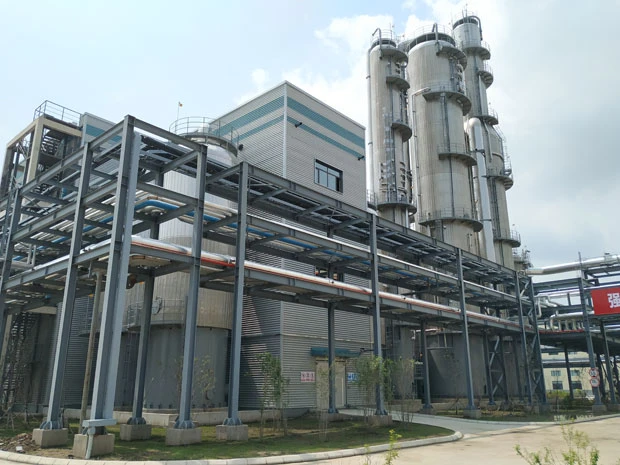
Fuel ethanol plants
Integrated ethanol production systems for fuel markets, with fermentation, heat-integrated distillation and molecular-sieve dehydration engineered as a coordinated process.
Explore ↗Integrated ethanol production systems for fuel markets, with fermentation, heat-integrated distillation and molecular-sieve dehydration engineered as a coordinated process.
Explore ↗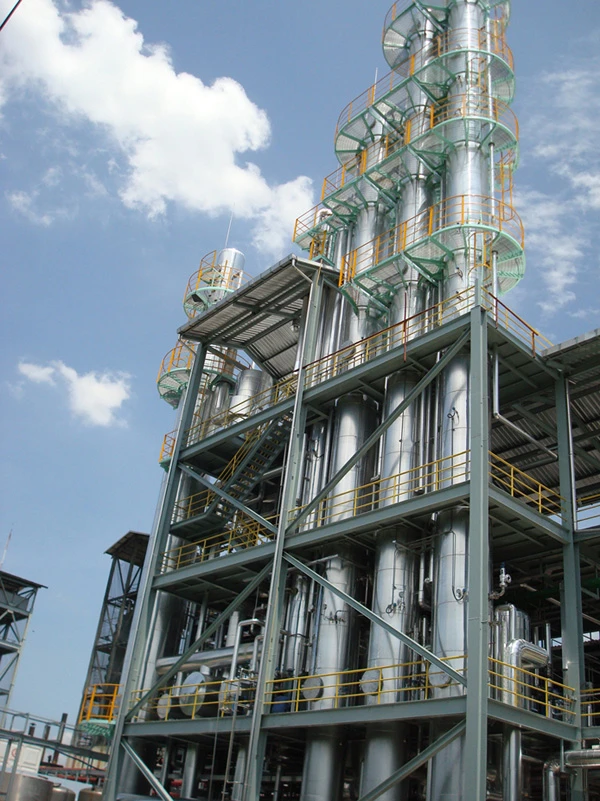
Precision separation for neutral alcohol applications. The process is selected around impurity control, sensory quality and the buyer’s complete product specification.
Explore ↗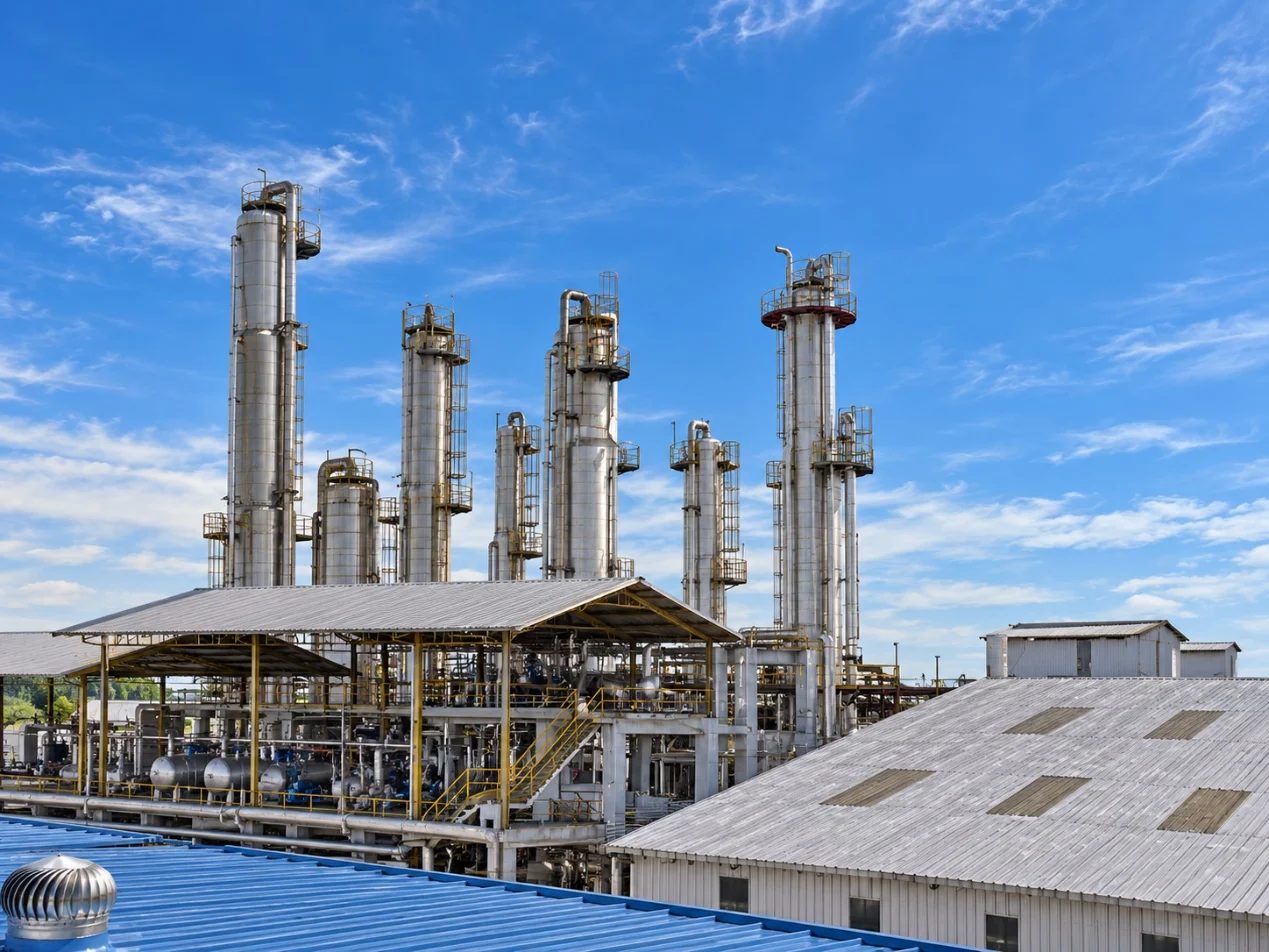
Hydrous and anhydrous ethanol routes for medical applications. We coordinate refining, dehydration, product-contact materials and sampling around the agreed pharmacopoeial or purchaser specification. The Indonesia upgrade combines a 50,000 t/y ENA scope with a 30,000 t/y medical anhydrous scope; the product split defines the process balance.
Explore ↗
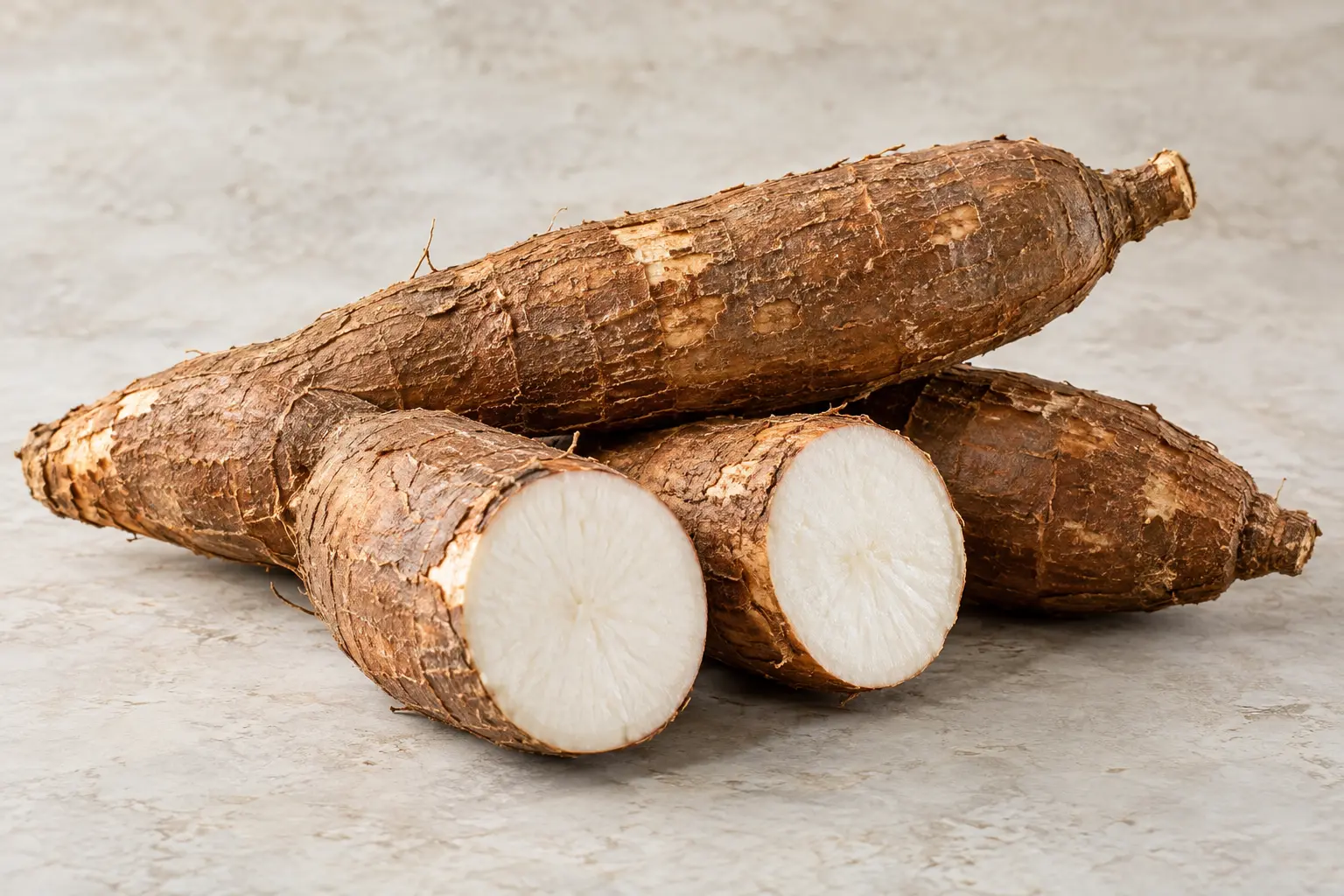
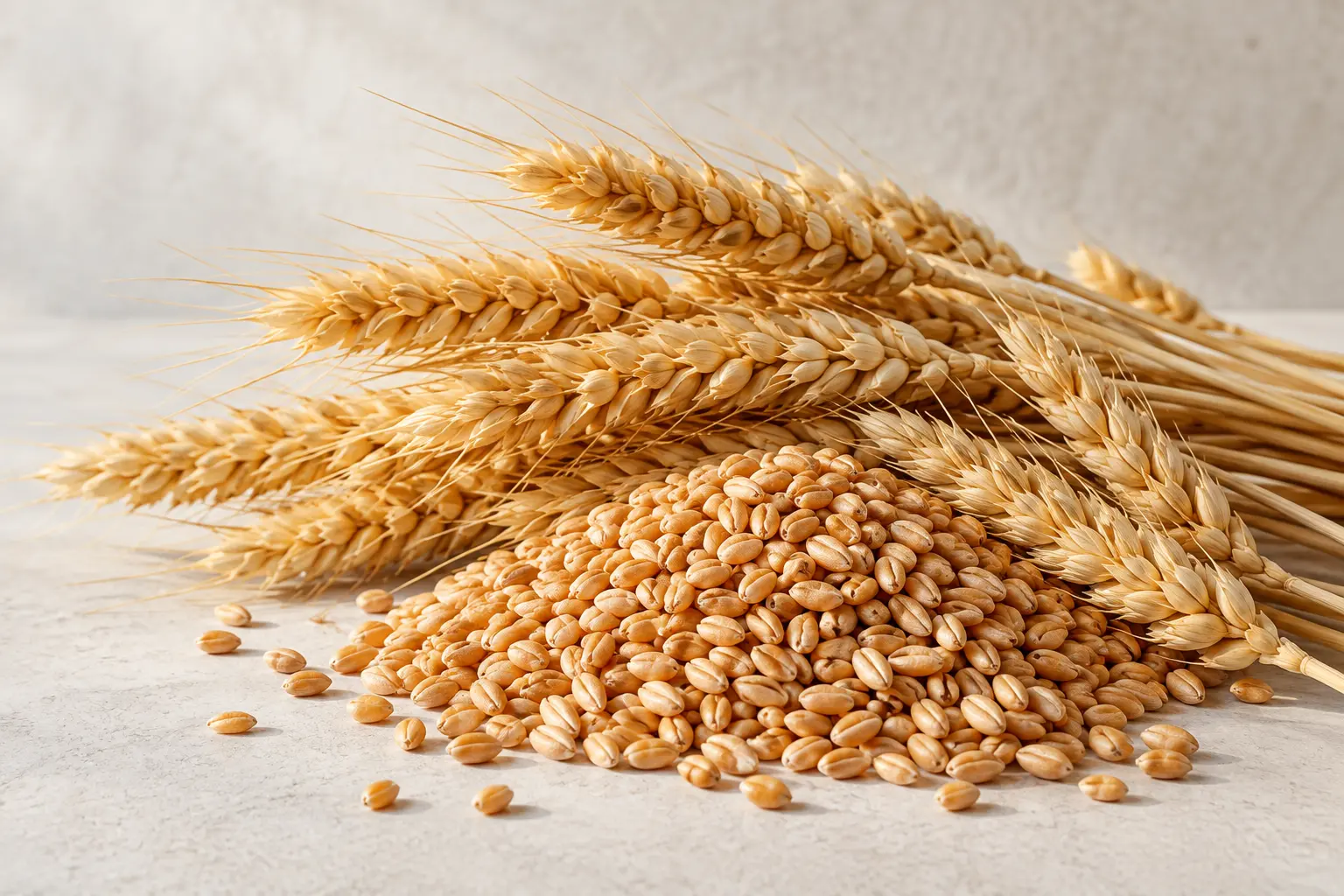
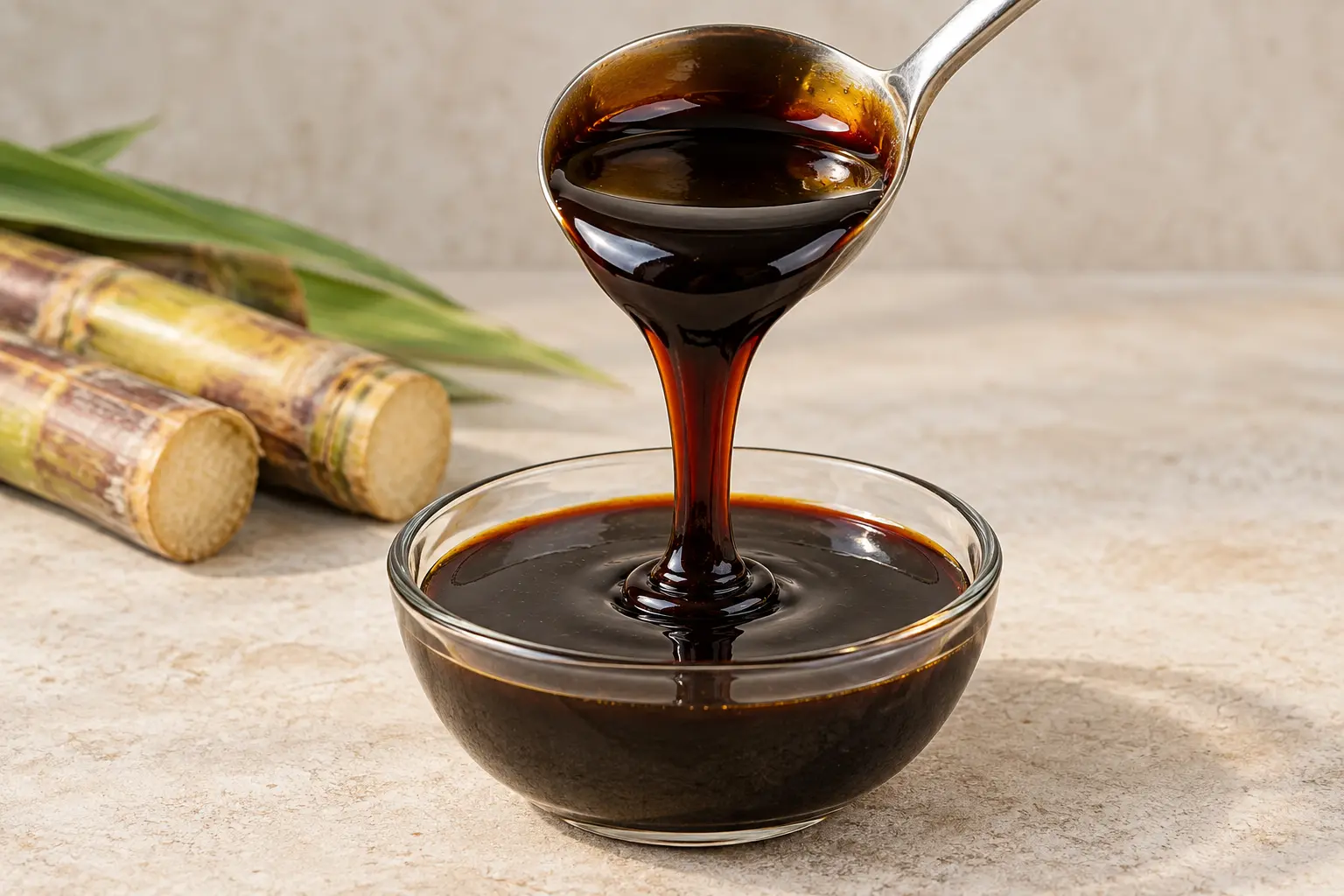
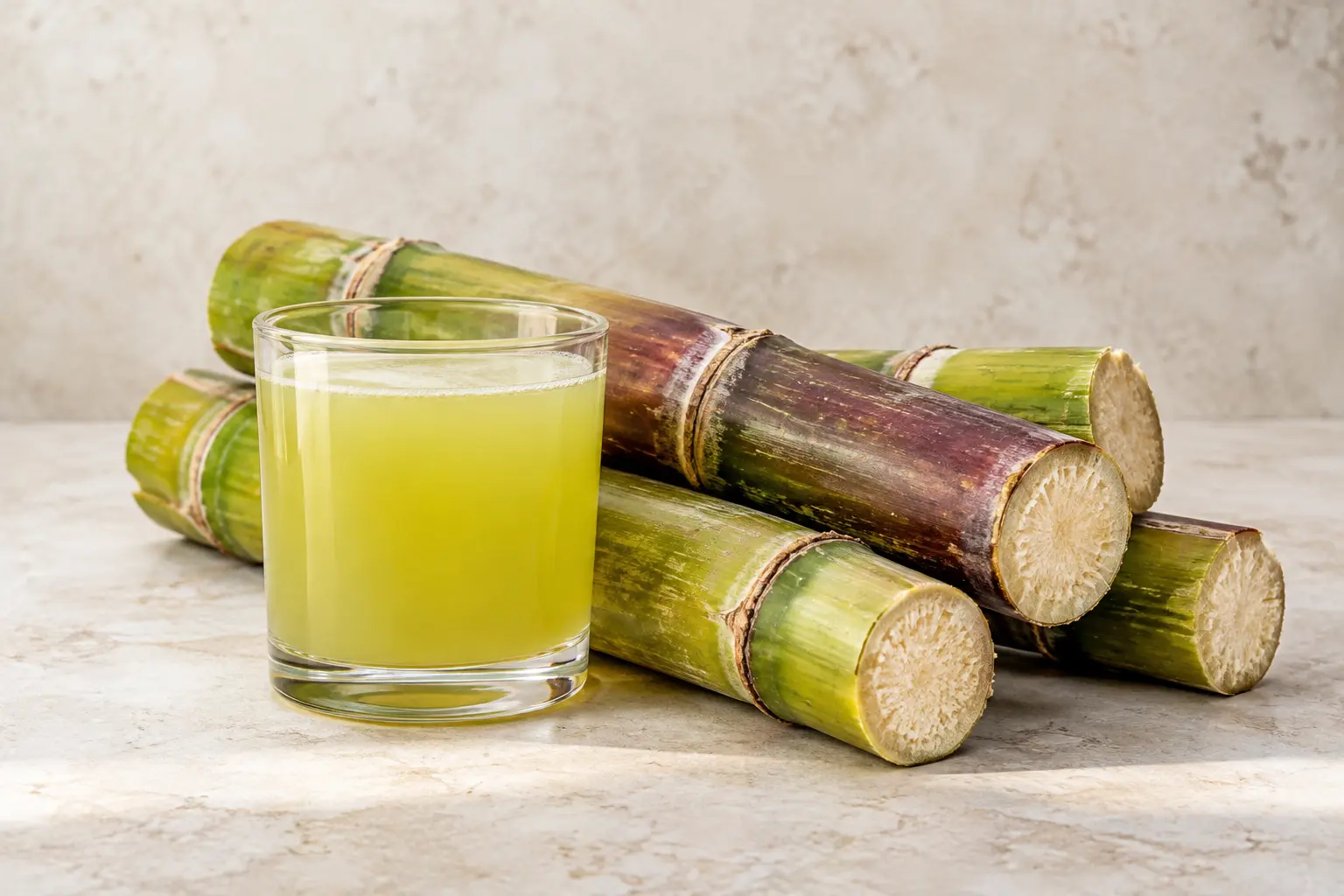
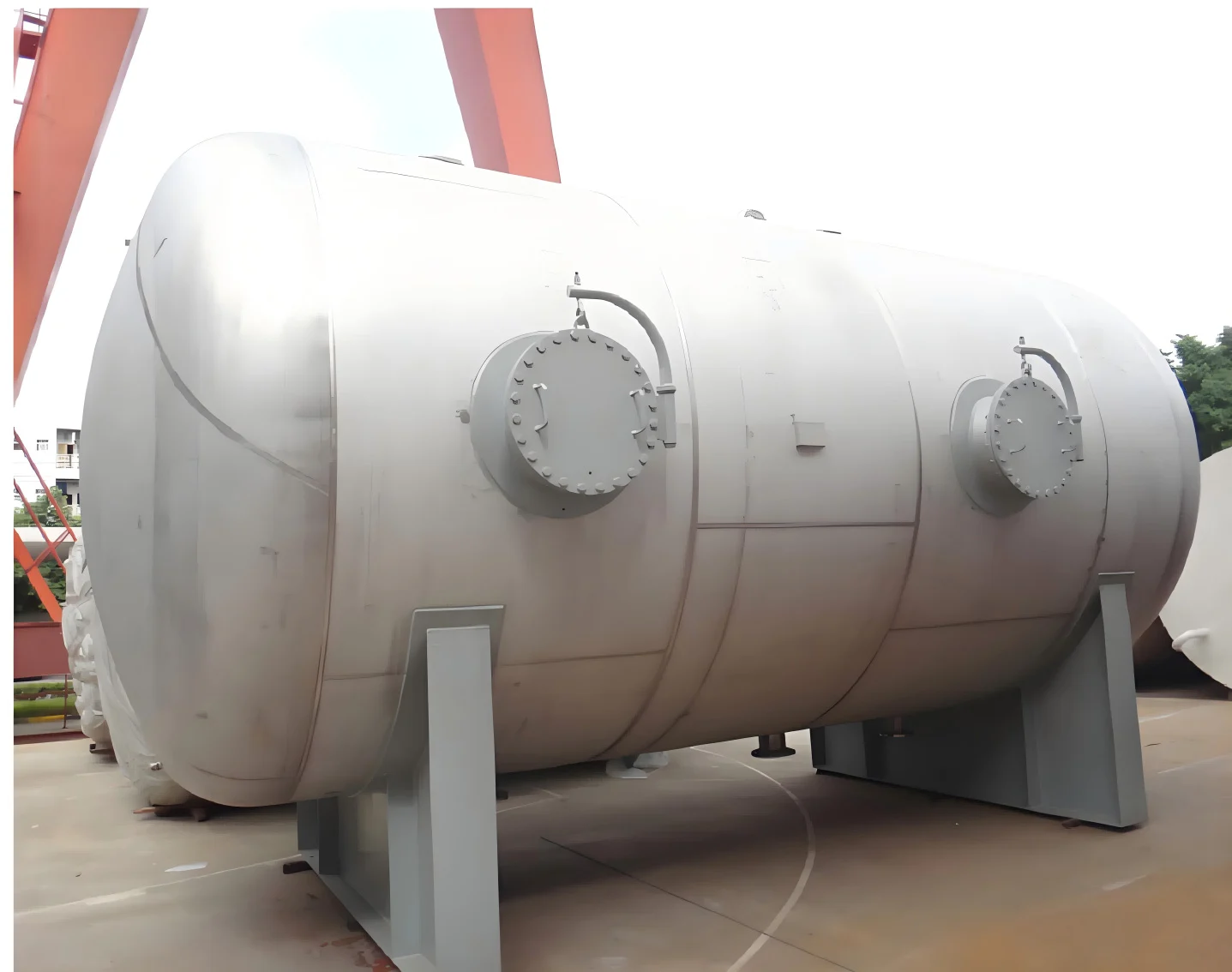
Extend the ethanol value chain into acetic acid. CNE develops the equipment and separation interfaces around the selected conversion route, feed quality, acid concentration, corrosion conditions and product outlet. Reaction technology, catalyst supply and utility limits are established in the project scope.
Explore ↗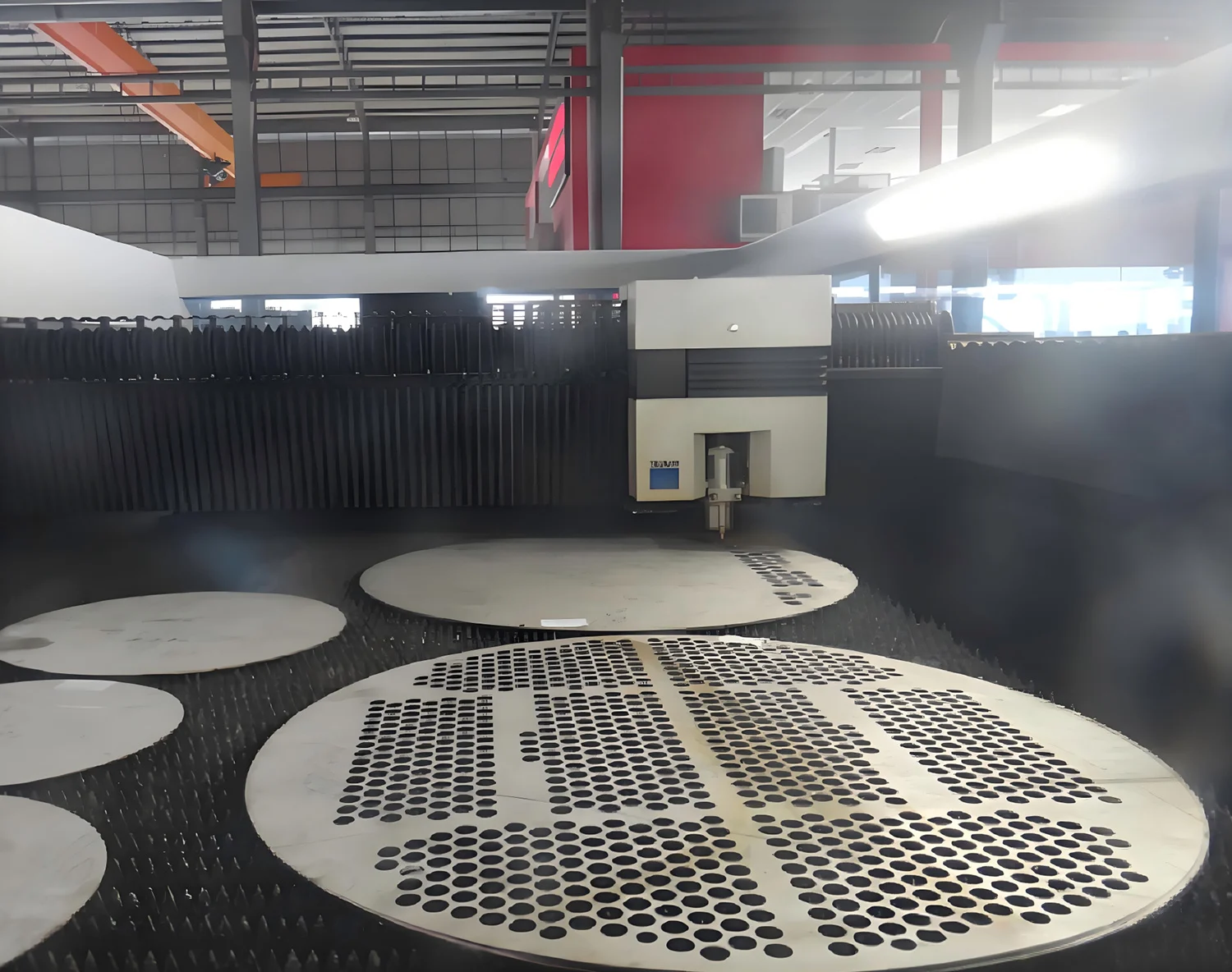
Design ester production and purification as one system. Feed ratios, reaction-water removal, alcohol recycle and product finishing determine the column duties. We coordinate separation equipment, materials and controls with the selected chemistry and agreed solvent specification.
Explore ↗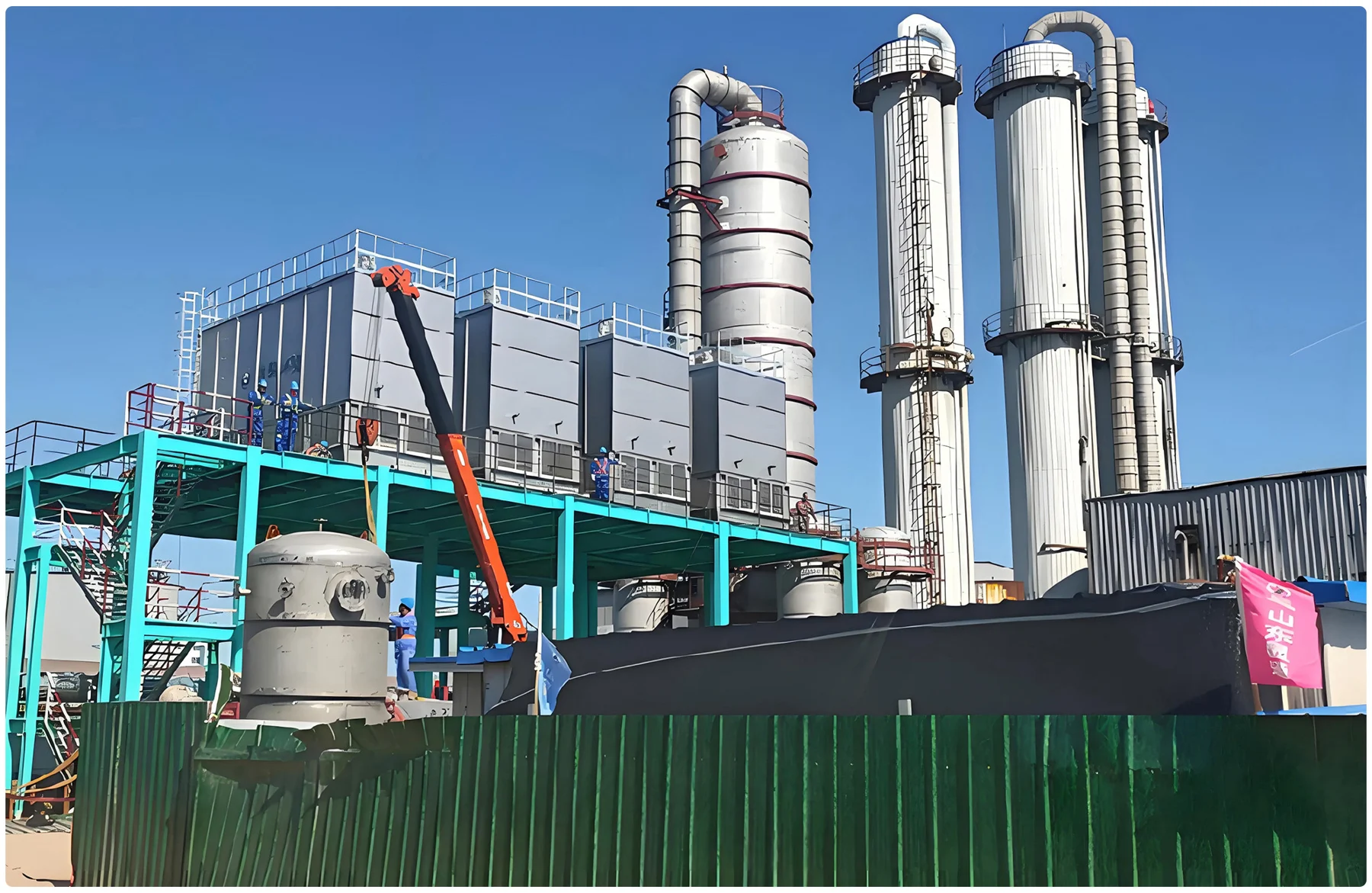
Return alcohol to the xanthan-gum process at the required reuse quality. Variable solvent strength, entrained solids, fouling and residue handling shape the recovery train. Our Meihua and Zhongxuan projects include alcohol recovery and modifications to existing distillation systems.
Explore ↗Recover ethanol and process solvents from extraction and manufacturing streams. We define segregation, impurity removal, cleanability and off-spec handling with the owner. The intended reuse step governs the analytical specification and validation responsibilities; solvent recovery alone does not qualify a pharmaceutical product.
Explore ↗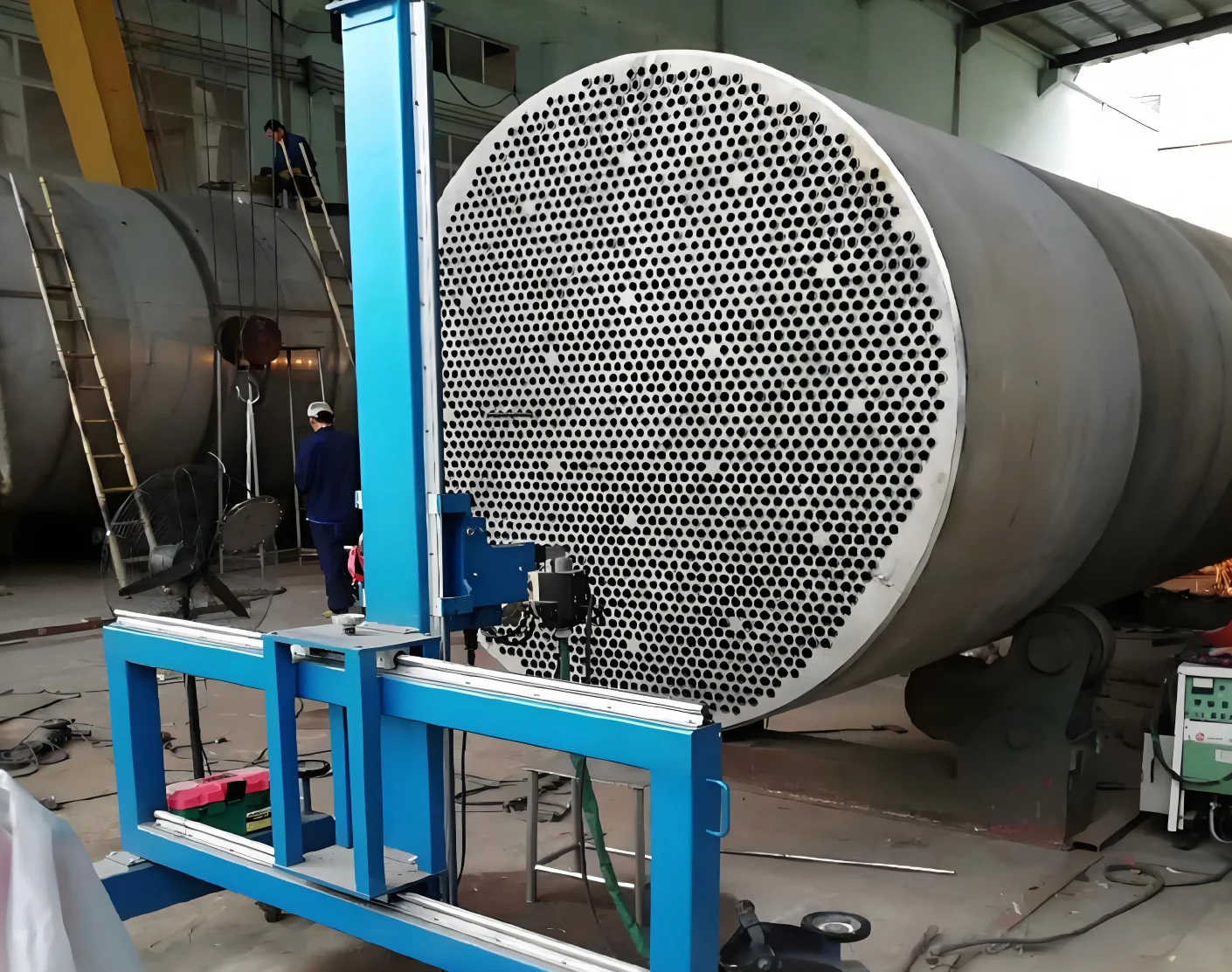
Recover alcohol from food extraction and processing streams while controlling carryover into the recovered product. Feed composition, odor, nonvolatile residues and cleaning requirements define the separation and heat-recovery design. Reuse quality is agreed for the actual downstream application.
Explore ↗Apply fermentation and separation engineering to biobutanol, bioacetone and higher-alcohol projects. For bio-aviation-fuel development, we evaluate upstream alcohol production and purification interfaces with the selected conversion licensor. Fuel conversion, pathway certification and finished aviation-fuel qualification are separate project requirements.
Explore ↗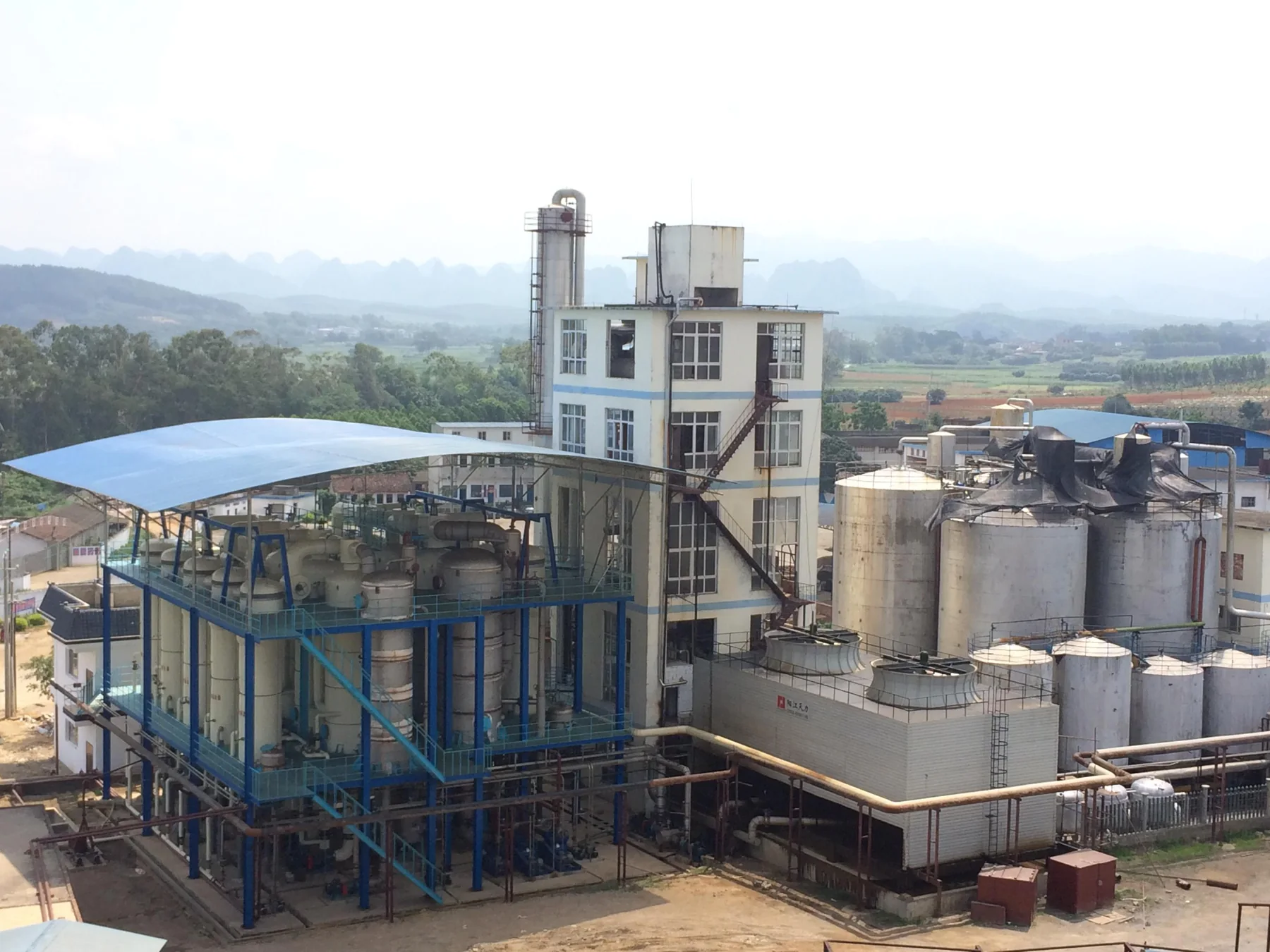
Connect alcohol recovery, concentration and wastewater treatment around the actual stream. Solids, organic load, salts and variability determine whether recovery, evaporation or biological treatment is appropriate. Recovered condensate must be assessed before reuse; concentrate and sludge need defined outlets.
Explore ↗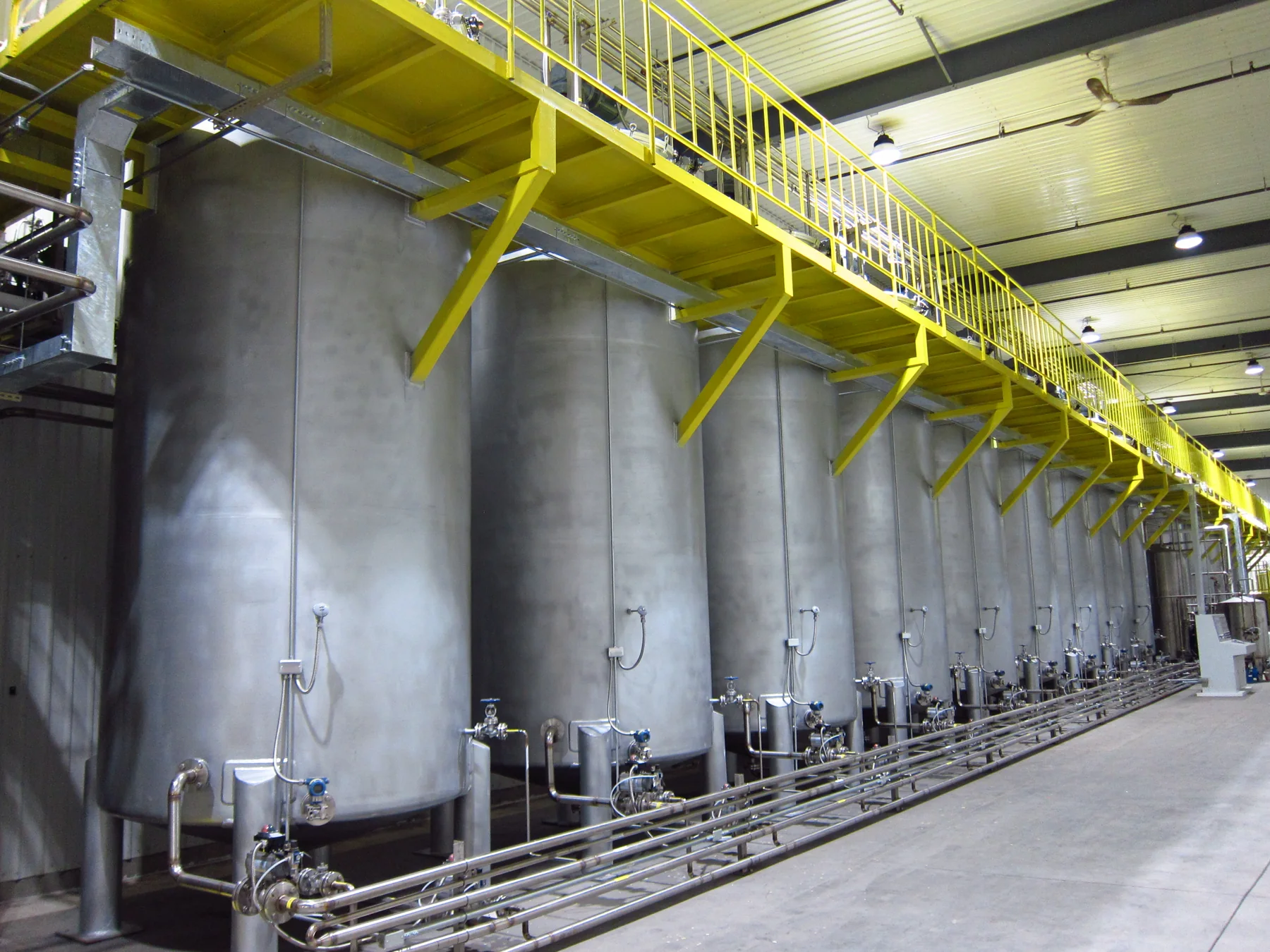
Our adjacent process experience includes the 5,000 t/y BioNeutra IMO line in Canada and dehydration within coal-derived/methanol-to-ethanol projects. Liquefaction, filtration, concentration and separation are selected for each product. A biochemical line and a non-biomass ethanol project retain their own product and carbon-feedstock identity.
Explore ↗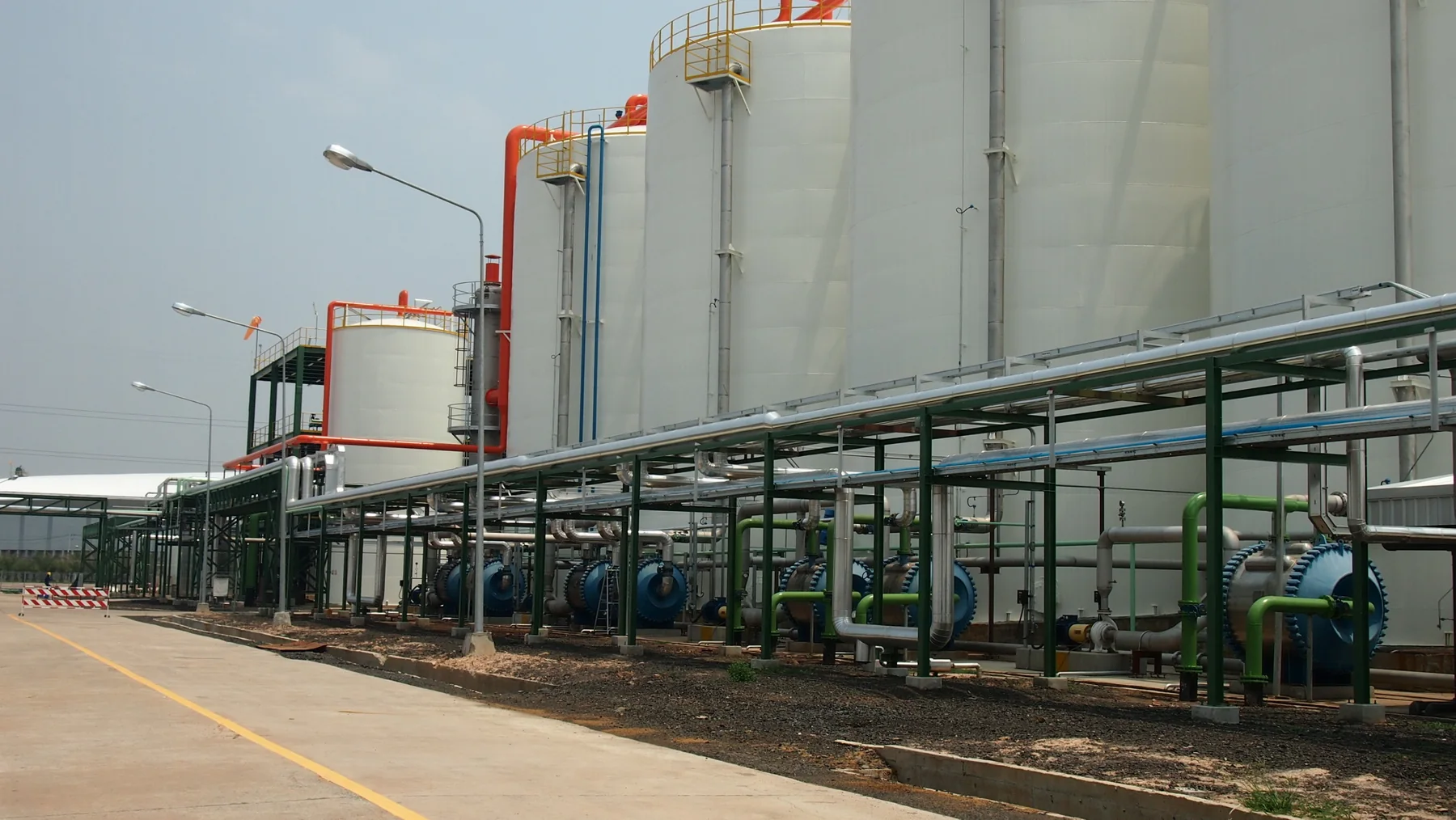
The front end sets the conditions for downstream separation. Our cassava front end integrates storage, milling, liquefaction, saccharification and controlled fermentation.
Explore ↗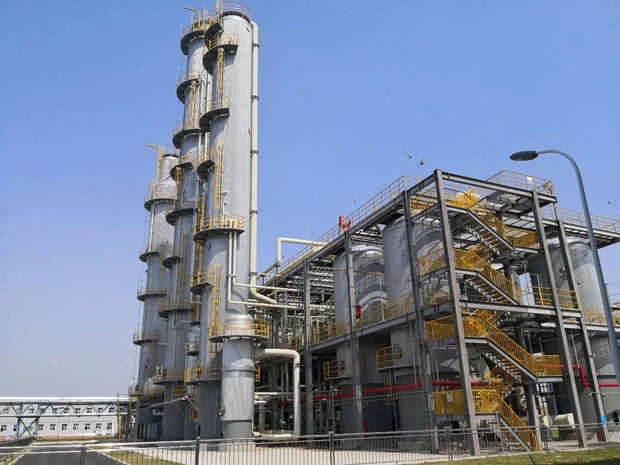
Separate impurities with purpose. Reuse heat across pressure levels. Select the column arrangement for the product mix and the real feed composition.
Explore ↗Continuous water removal through alternating adsorption and regeneration. A finishing stage for anhydrous ethanol production.
Explore ↗Tray geometry, liquid distribution and mechanical assembly are part of the separation system. CNE’s equipment archive provides a close view of the components inside the columns.
Explore ↗Reboilers, condensers and process heat exchangers connect the distillation system to the plant’s energy balance.
Explore ↗
Coordinate solids separation, thin-stillage evaporation, syrup blending and drying around a defined co-product specification. DDGS is a process system, not a general accessory; a molasses stillage route requires a different residue strategy.
Explore ↗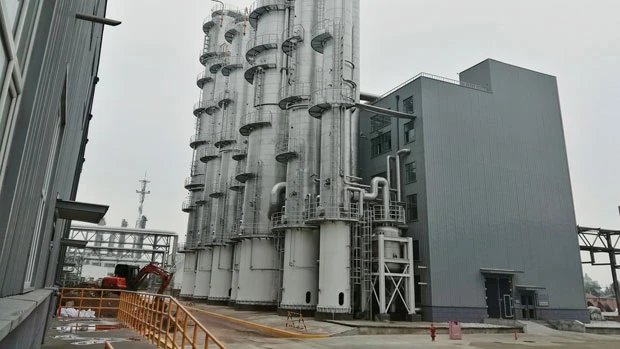
Reduce avoidable heat losses by reviewing the complete energy network before selecting individual equipment.
Explore ↗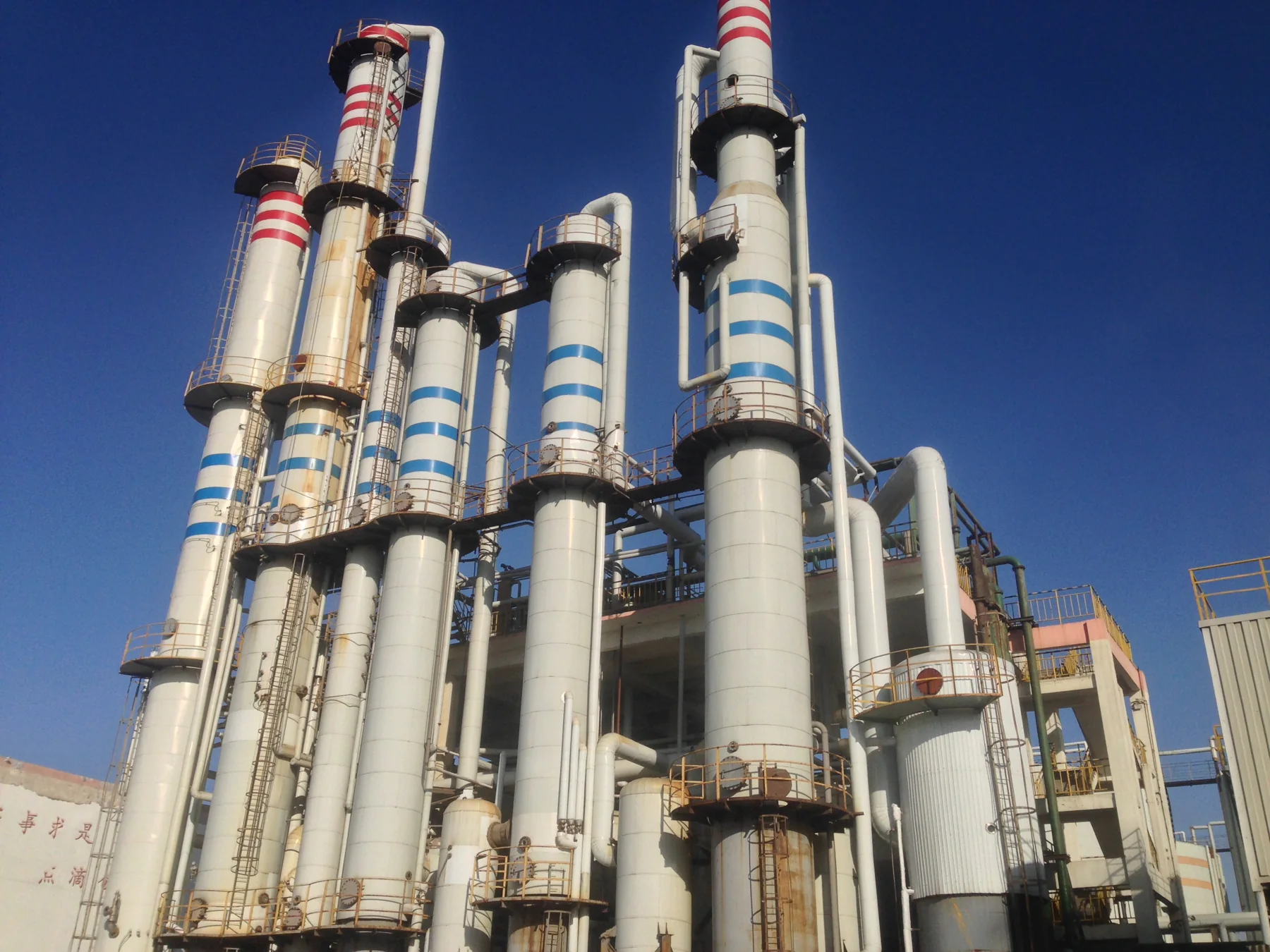
CNE’s reference register contains repeated upgrades to distillation, dehydration, liquefaction and evaporation systems. Start with the bottleneck and define a measurable improvement.
Explore ↗Recover alcohol from production streams in xanthan gum, pharmaceutical and food-processing applications. CNE’s references cover new recovery units and energy-saving modifications.
Explore ↗Define the control narrative, instrument list, I/O, alarms and interlocks together with the process design. PLC or DCS architecture, hazardous-area suitability, remote support and site integration are agreed for the project.
Explore ↗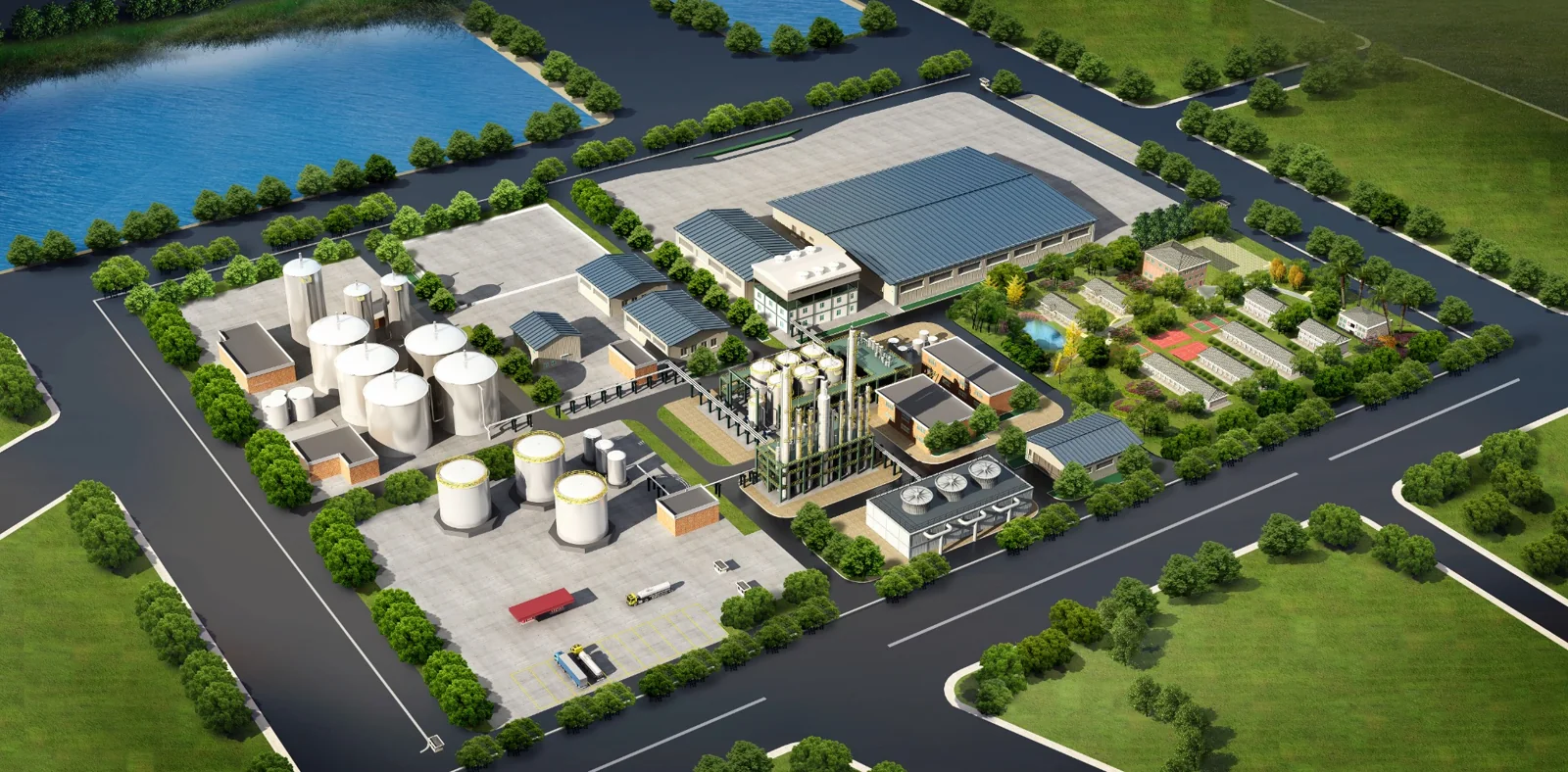
A process package becomes buildable when drawings, equipment data, control requirements and responsibilities agree. CNE’s service documentation describes the deliverables that connect these disciplines.
Explore ↗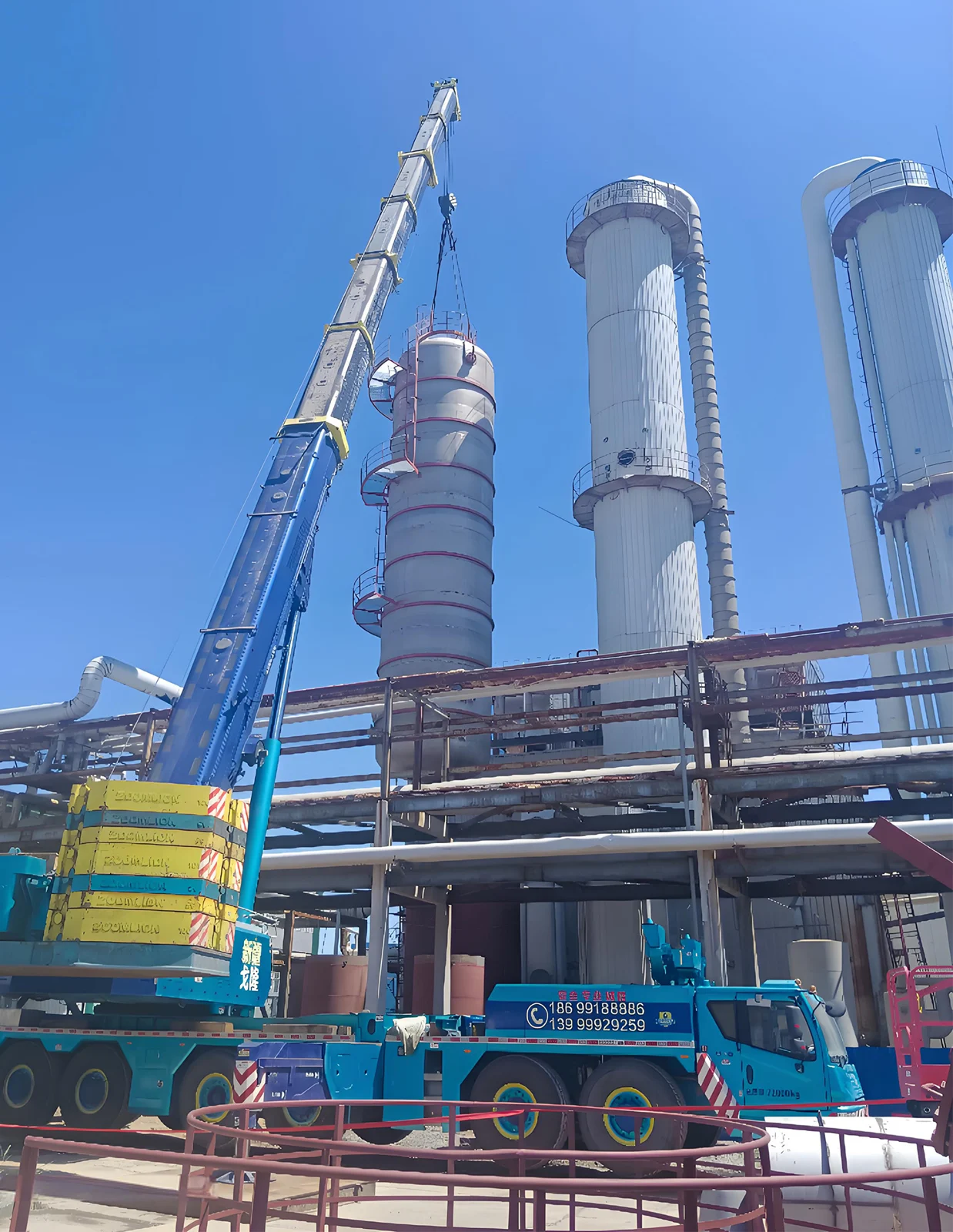
Move from completed construction to an accepted operating plant through documented checks, coordinated trial runs and trained operators.
Explore ↗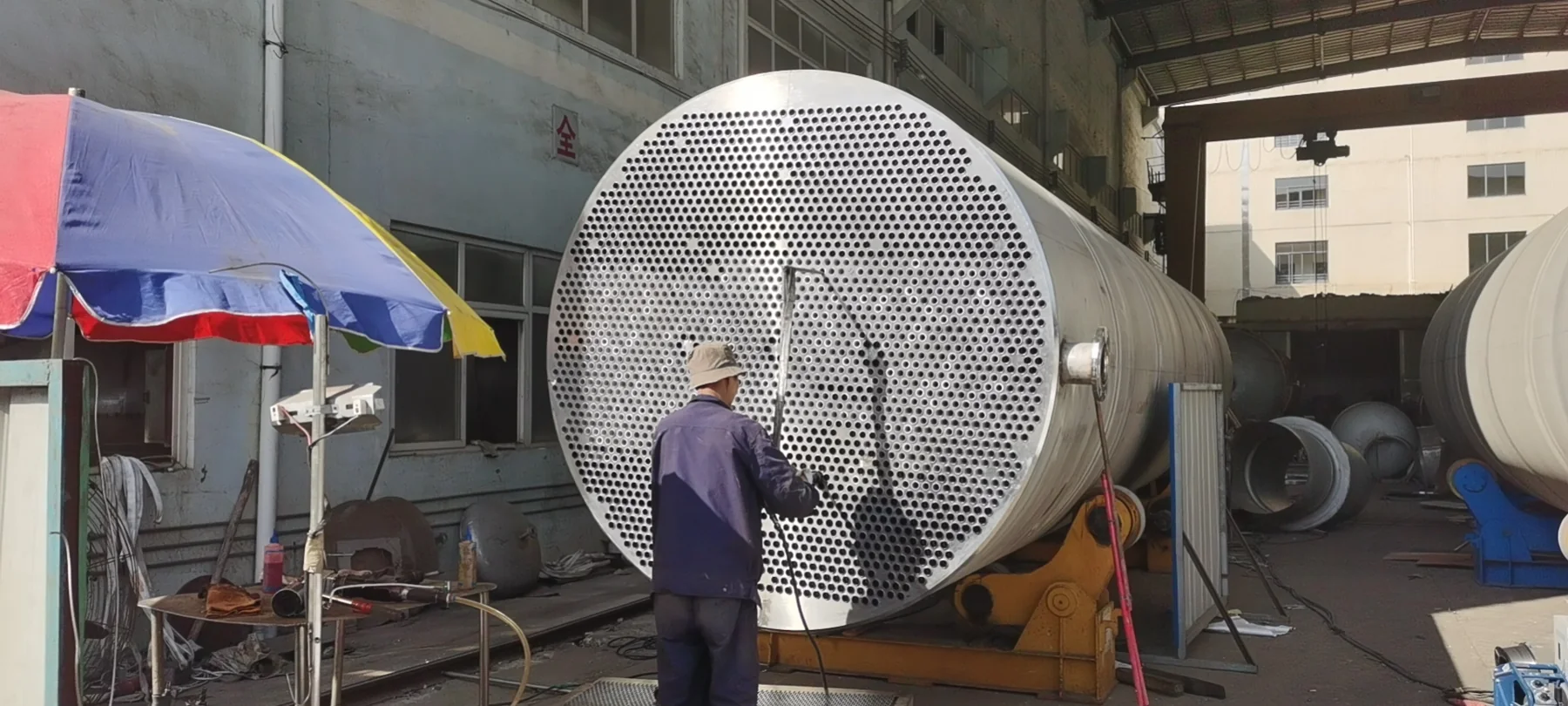
Control the documents, verify the materials, inspect the work and retain the records. These are the foundations of CNE’s documented project quality approach.
Explore ↗CNE’s project HSE materials address responsibilities, site induction, work permits, inspections and management of change across construction and commissioning.
Explore ↗Maintenance parts and replacement components selected for the actual equipment: tray and packing elements, distributors, seals, gaskets and instrumentation interfaces. Availability and compatibility are confirmed against the equipment records.
Explore ↗Replacement tray panels, valves, downcomers, supports and fasteners must match the original hydraulic and mechanical design. Send the equipment tag, drawing revision, dimensions, material and wear photographs. We check fit, open area, liquid levels and installation access before release.
Explore ↗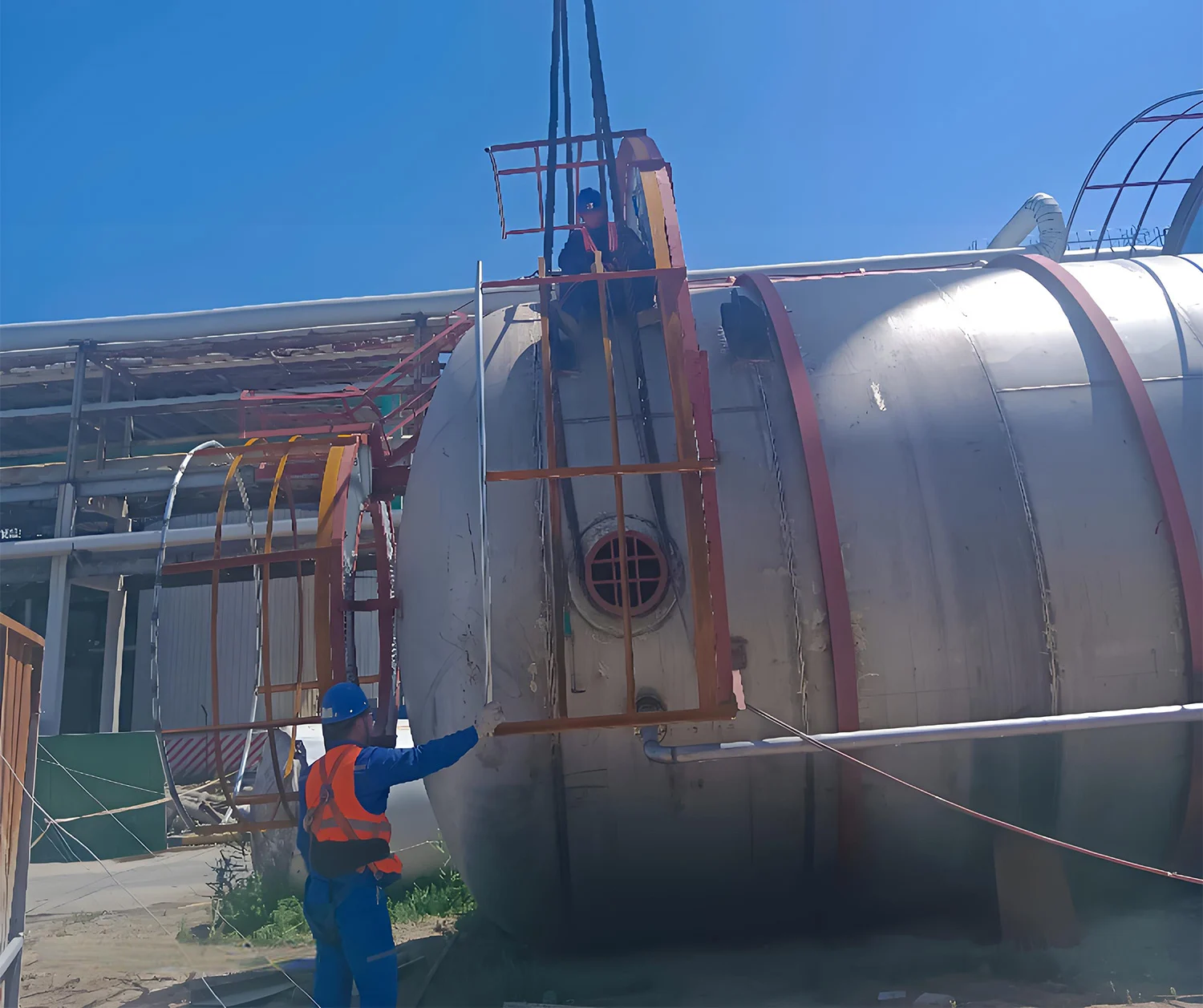
Select seals, impellers, shafts, bearings and gaskets against the pump model and service. Fluid composition, temperature, solids, corrosion and duty point matter as much as dimensions. Provide the nameplate, serial number and parts drawing so that compatibility and availability can be confirmed.
Explore ↗