
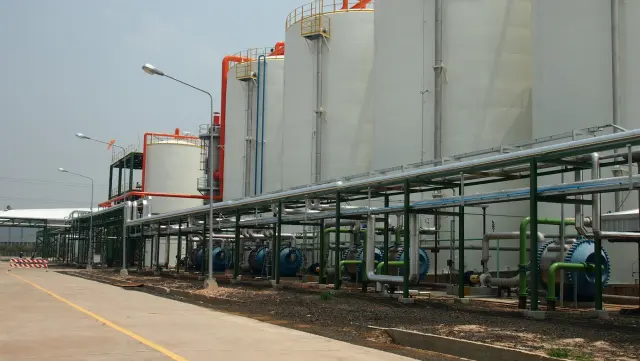
Feed preparation, liquefaction & fermentation
The front end sets the conditions for downstream separation. Our cassava front end integrates storage, milling, liquefaction, saccharification and controlled fermentation.
Explore ↗The front end sets the conditions for downstream separation. Our cassava front end integrates storage, milling, liquefaction, saccharification and controlled fermentation.
Explore ↗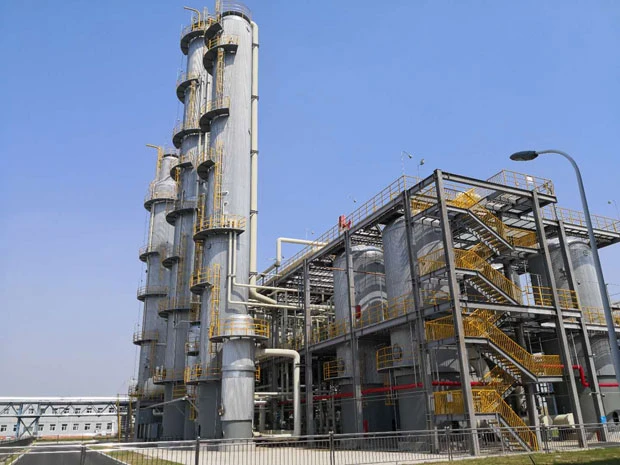
Separate impurities with purpose. Reuse heat across pressure levels. Select the column arrangement for the product mix and the real feed composition.
Explore ↗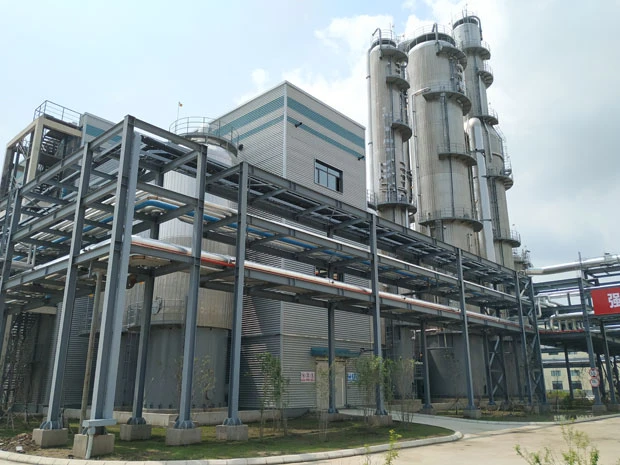
Continuous water removal through alternating adsorption and regeneration. A finishing stage for anhydrous ethanol production.
Explore ↗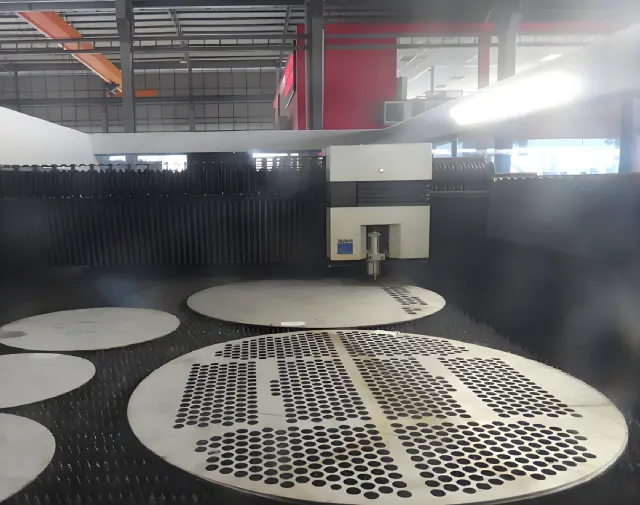
Tray geometry, liquid distribution and mechanical assembly are part of the separation system. CNE’s equipment archive provides a close view of the components inside the columns.
Explore ↗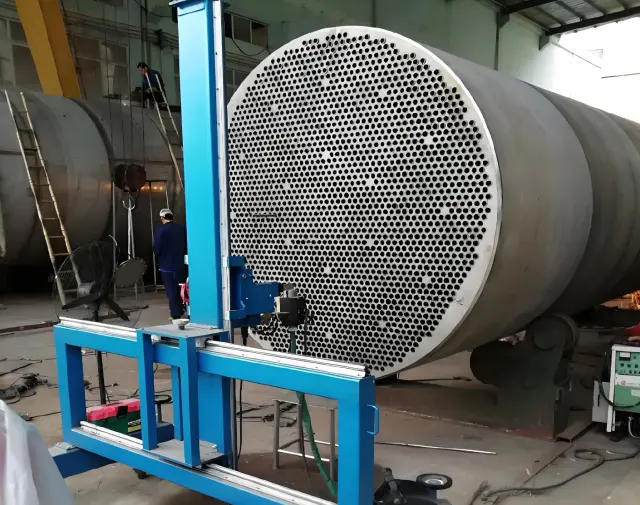
Reboilers, condensers and process heat exchangers connect the distillation system to the plant’s energy balance.
Explore ↗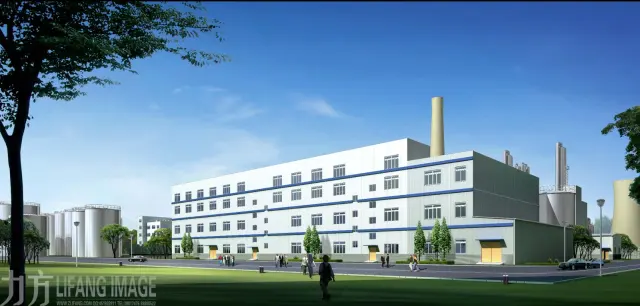
Coordinate solids separation, thin-stillage evaporation, syrup blending and drying around a defined co-product specification. DDGS is a process system, not a general accessory; a molasses stillage route requires a different residue strategy.
Explore ↗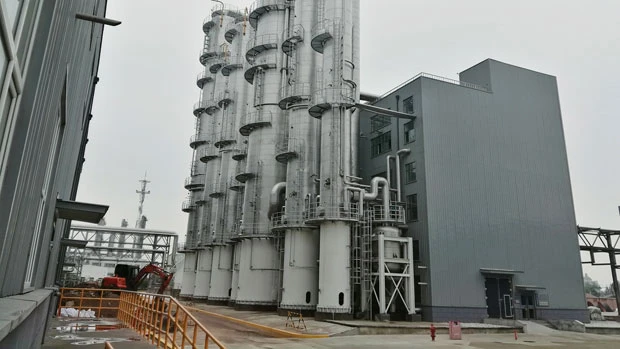
Reduce avoidable heat losses by reviewing the complete energy network before selecting individual equipment.
Explore ↗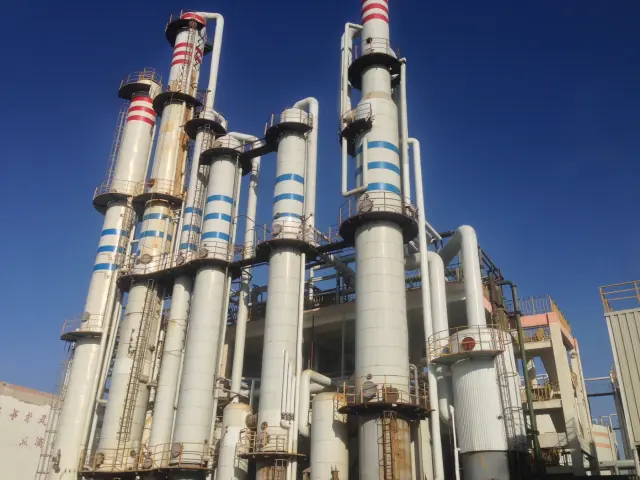
CNE’s reference register contains repeated upgrades to distillation, dehydration, liquefaction and evaporation systems. Start with the bottleneck and define a measurable improvement.
Explore ↗Recover alcohol from production streams in xanthan gum, pharmaceutical and food-processing applications. CNE’s references cover new recovery units and energy-saving modifications.
Explore ↗Define the control narrative, instrument list, I/O, alarms and interlocks together with the process design. PLC or DCS architecture, hazardous-area suitability, remote support and site integration are agreed for the project.
Explore ↗Separate impurities with purpose. Reuse heat across pressure levels. Select the column arrangement for the product mix and the real feed composition.
Explore ↗Continuous water removal through alternating adsorption and regeneration. A finishing stage for anhydrous ethanol production.
Explore ↗The front end sets the conditions for downstream separation. Our cassava front end integrates storage, milling, liquefaction, saccharification and controlled fermentation.
Explore ↗Coordinate solids separation, thin-stillage evaporation, syrup blending and drying around a defined co-product specification. DDGS is a process system, not a general accessory; a molasses stillage route requires a different residue strategy.
Explore ↗Define the control narrative, instrument list, I/O, alarms and interlocks together with the process design. PLC or DCS architecture, hazardous-area suitability, remote support and site integration are agreed for the project.
Explore ↗Reduce avoidable heat losses by reviewing the complete energy network before selecting individual equipment.
Explore ↗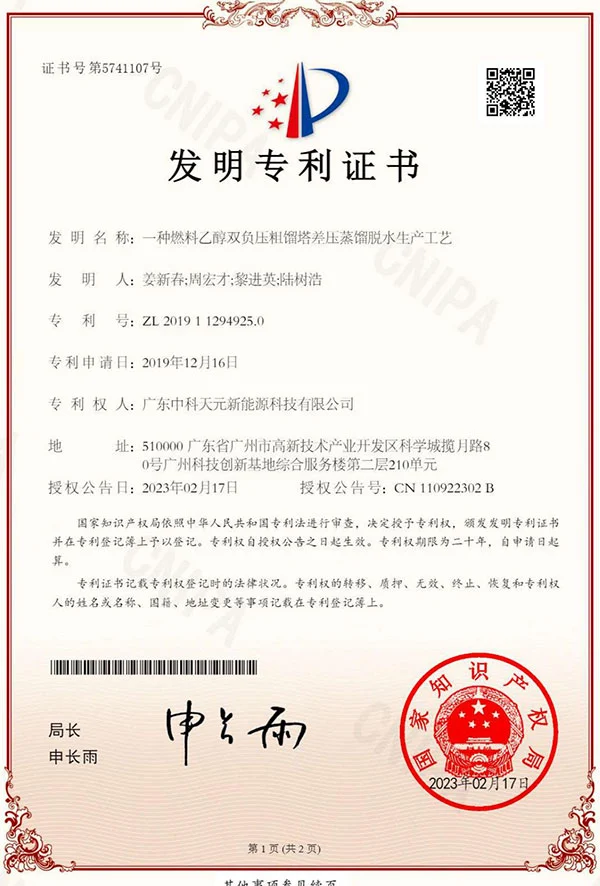
Explore 30 selected patent documents from the CNE archive, with titles, owners, patent numbers and grant information shown in the original documents.
Explore ↗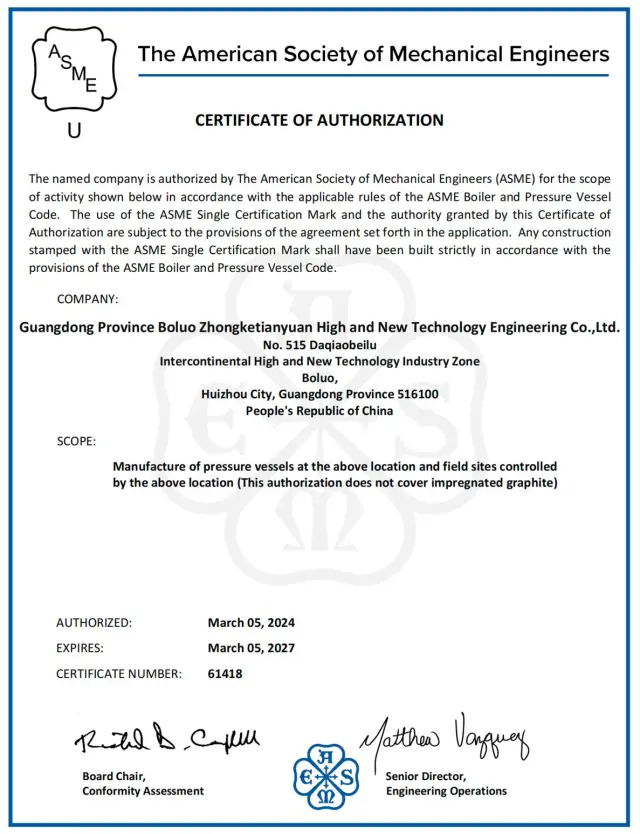
Engineering capability supported by manufacturing, quality and construction credentials. Explore our certificate collection and the organizations and scopes named on each document.
Explore ↗