
Fuel ethanol plants
Integrated ethanol production systems for fuel markets, with fermentation, heat-integrated distillation and molecular-sieve dehydration engineered as a coordinated process.
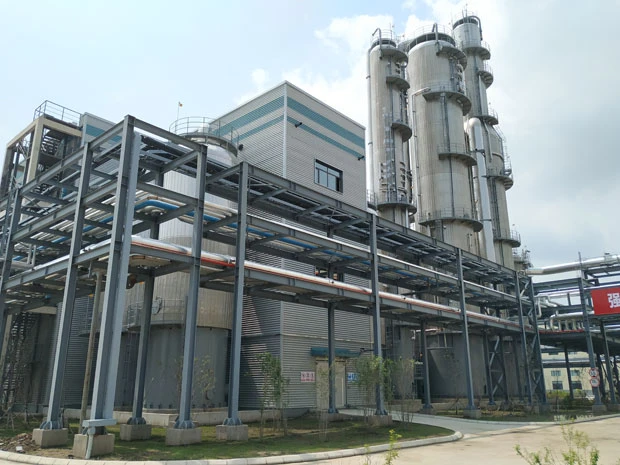
CNE project photography
01 / CNE
Design around the destination market
Hydrous and anhydrous fuel ethanol require different finishing systems. Establish the applicable buyer specification, water limit, denaturing requirements and test methods before selecting the process. Molecular sieves remove water; they do not replace upstream removal of other impurities. Our dehydration process produces anhydrous ethanol at 99.5–99.98% v/v, subject to feed quality and agreed operating conditions.
02 / CNE
A complete process boundary
The process package can cover feedstock handling, conversion to fermentable sugars, yeast propagation, fermentation, distillation, dehydration, product cooling and storage interfaces. Grain projects also need a defined stillage and feed co-product route. Sugar-based projects need a vinasse management strategy. Boiler, cooling tower, water treatment, electrical supply and civil works are allocated explicitly in the proposal.
03 / CNE
New plants and plant upgrades
For an existing distillery, assess available columns, heat exchangers, steam conditions and fermentation capacity before adding dehydration or expanding output. The acceptance plan should identify product quality, net capacity, utility boundaries and continuous operating conditions. Performance commitments belong in the project-specific technical agreement.
Explore the engineering behind the project
CNE / Discuss your project
Your next plant starts with the right conversation.
Share your feedstock, target product and capacity. Let’s shape a practical process concept.