
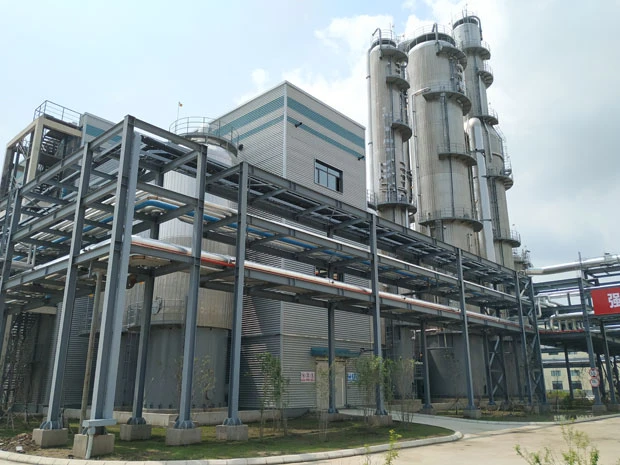
Fuel ethanol plants
Integrated ethanol production systems for fuel markets, with fermentation, heat-integrated distillation and molecular-sieve dehydration engineered as a coordinated process.
Explore ↗Integrated ethanol production systems for fuel markets, with fermentation, heat-integrated distillation and molecular-sieve dehydration engineered as a coordinated process.
Explore ↗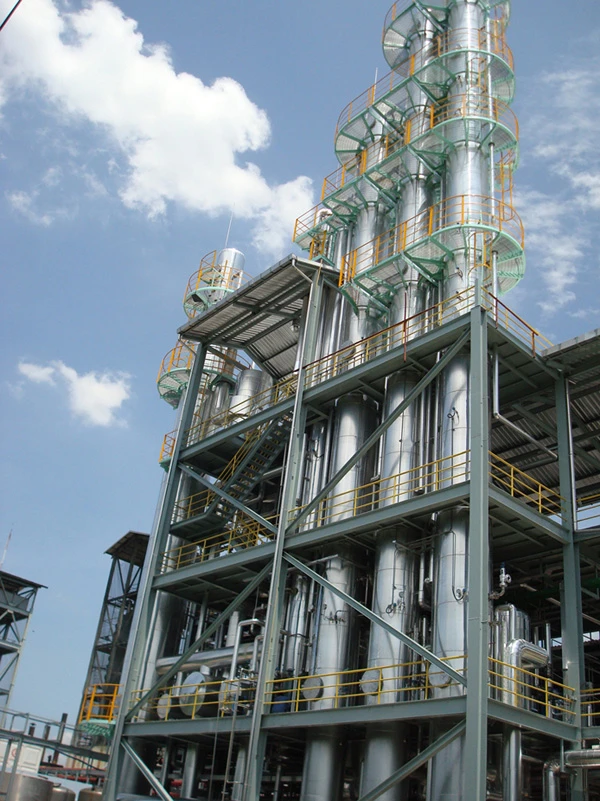
Precision separation for neutral alcohol applications. The process is selected around impurity control, sensory quality and the buyer’s complete product specification.
Explore ↗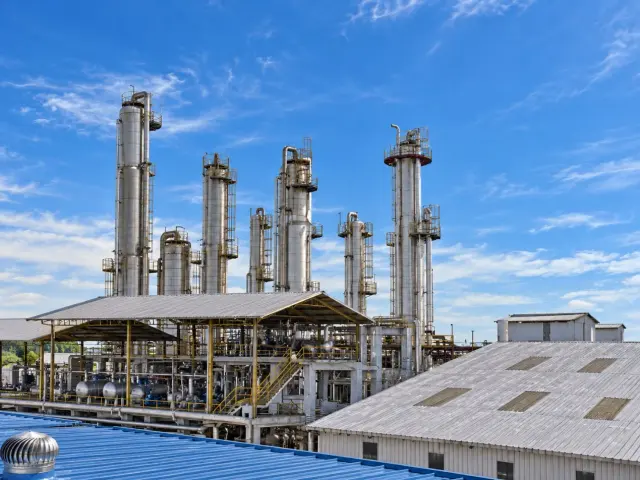
Hydrous and anhydrous ethanol routes for medical applications. We coordinate refining, dehydration, product-contact materials and sampling around the agreed pharmacopoeial or purchaser specification. The Indonesia upgrade combines a 50,000 t/y ENA scope with a 30,000 t/y medical anhydrous scope; the product split defines the process balance.
Explore ↗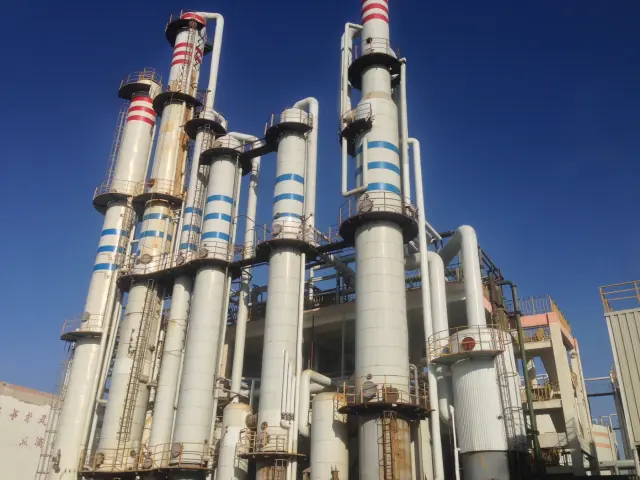
CNE’s reference register contains repeated upgrades to distillation, dehydration, liquefaction and evaporation systems. Start with the bottleneck and define a measurable improvement.
Explore ↗CNE’s reference register contains repeated upgrades to distillation, dehydration, liquefaction and evaporation systems. Start with the bottleneck and define a measurable improvement.
Explore ↗Recover alcohol from production streams in xanthan gum, pharmaceutical and food-processing applications. CNE’s references cover new recovery units and energy-saving modifications.
Explore ↗