
ENA, fuel and medical ethanol: specify the difference
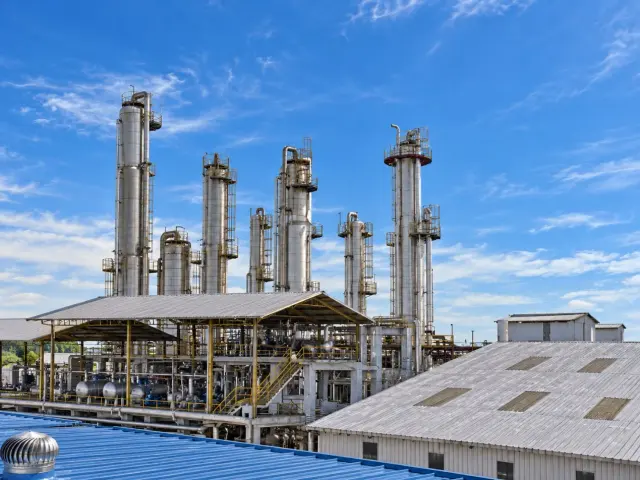
Alcohol strength is only one part of a product specification. The target market determines which impurities, sensory properties and test methods must be controlled.
Explore ↗Alcohol strength is only one part of a product specification. The target market determines which impurities, sensory properties and test methods must be controlled.
Explore ↗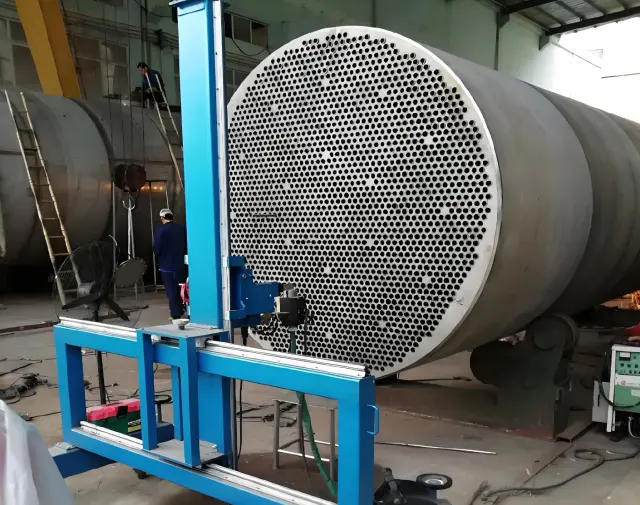
A low steam number is useful only when the product basis and process boundary are clear. Separate distillation, dehydration and DDGS duties before comparing proposals.
Explore ↗
The ethanol process leaves valuable solids and dissolved material in the stillage. Product quality and energy demand depend on how those streams are separated, concentrated and dried.
Explore ↗An existing plant has useful equipment and inherited constraints. A feedstock change starts with a condition survey and a complete mass balance, not a replacement list alone.
Explore ↗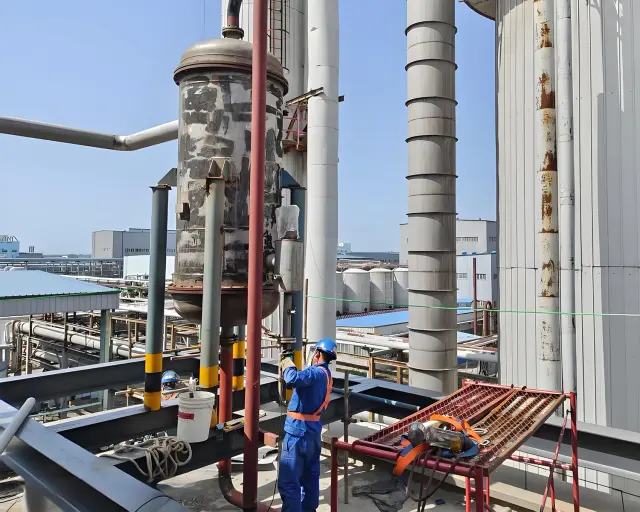
Automation links field measurements, process control and operator decisions. Design begins with the control narrative and operating modes before selecting workstation hardware.
Explore ↗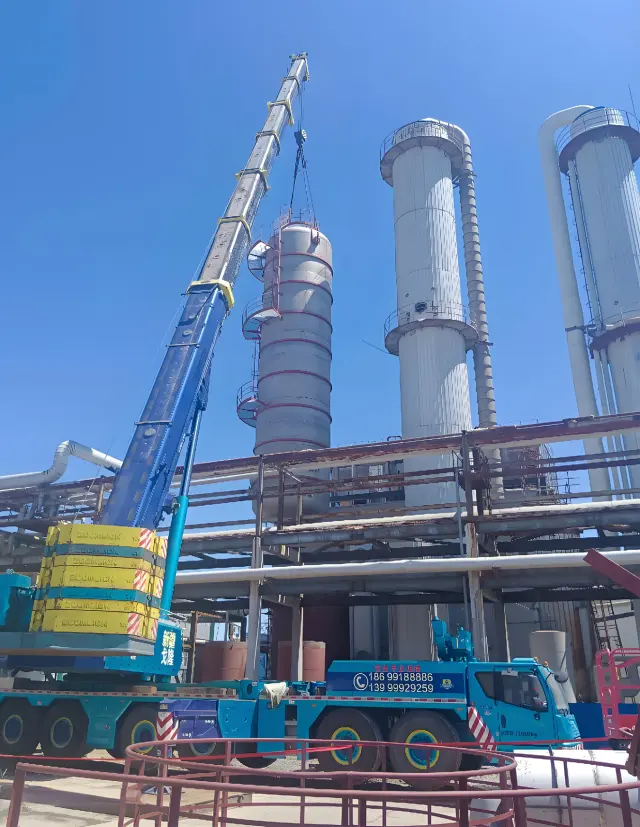
Commissioning is a sequence of evidence, not a single start button. A clear test plan connects installed equipment, stable operation, measured output and product quality.
Explore ↗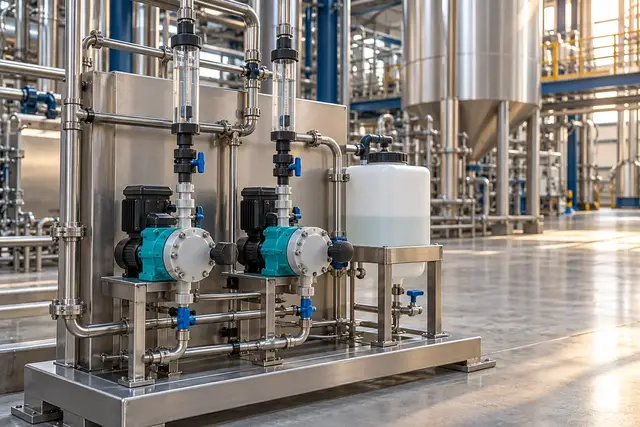
A dosing-pump setting is not a measured enzyme consumption. Reconcile the delivered dose, feed mass and enzyme specification before drawing conclusions about conversion or cost.
Explore ↗Distillation condensers, fermentation coolers and chillers interact through the utility system. A plant can have enough installed process equipment and still be limited by cooling-water availability.
Explore ↗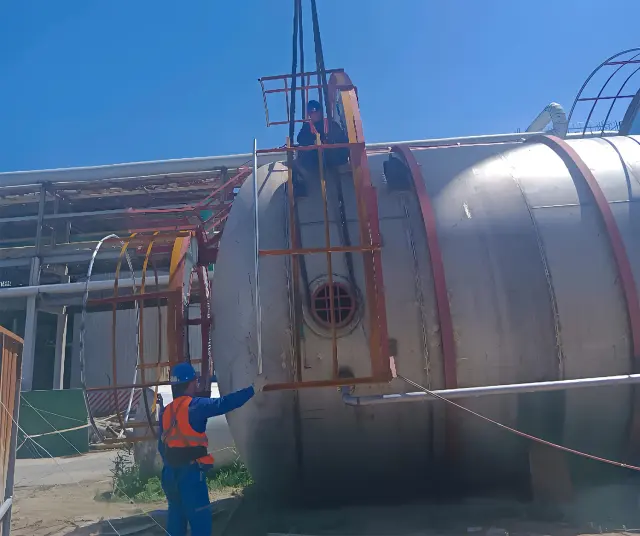
Poor pumping and vibration call for a review of inlet conditions, hydraulics, installation and operating duty. A single symptom does not identify a universal repair.
Explore ↗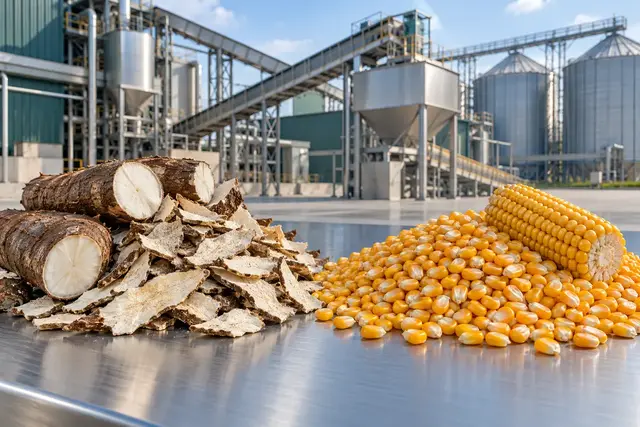
A feedstock conversion changes more than the receiving equipment. Qualify the raw material, front-end duty, fermentation behavior and co-product route together.
Explore ↗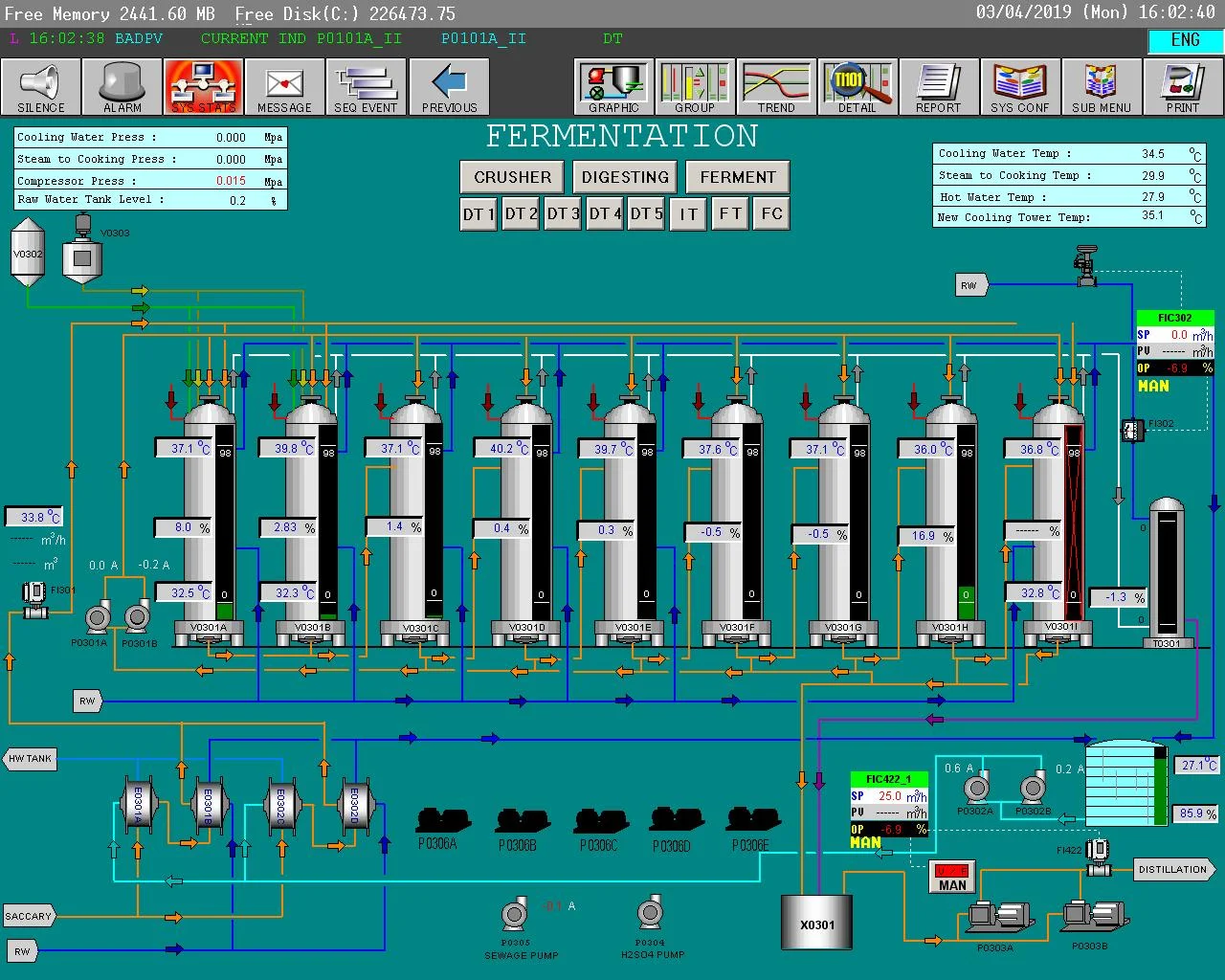
Finished-product volume, work-in-progress inventory and meter boundaries can describe different quantities. A reliable daily report makes the accounting basis explicit before a yield or energy figure is compared.
Explore ↗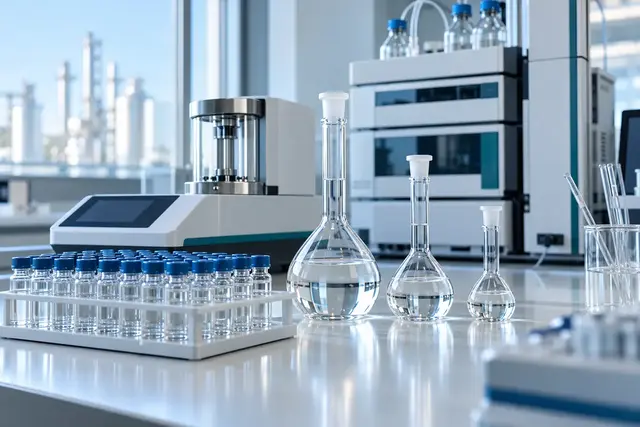
An alcohol specification combines concentration, impurity limits and agreed test methods. Our laboratory approach covers both process checks and finished-product analysis.
Explore ↗Alcohol strength is only one part of a product specification. The target market determines which impurities, sensory properties and test methods must be controlled.
Explore ↗A low steam number is useful only when the product basis and process boundary are clear. Separate distillation, dehydration and DDGS duties before comparing proposals.
Explore ↗The ethanol process leaves valuable solids and dissolved material in the stillage. Product quality and energy demand depend on how those streams are separated, concentrated and dried.
Explore ↗An existing plant has useful equipment and inherited constraints. A feedstock change starts with a condition survey and a complete mass balance, not a replacement list alone.
Explore ↗Automation links field measurements, process control and operator decisions. Design begins with the control narrative and operating modes before selecting workstation hardware.
Explore ↗Commissioning is a sequence of evidence, not a single start button. A clear test plan connects installed equipment, stable operation, measured output and product quality.
Explore ↗An alcohol specification combines concentration, impurity limits and agreed test methods. Our laboratory approach covers both process checks and finished-product analysis.
Explore ↗