Skip to content
EN ⌄
Discuss your project ↗

Assess pump cavitation and vibration as system problems

Poor pumping and vibration call for a review of inlet conditions, hydraulics, installation and operating duty. A single symptom does not identify a universal repair.

· Updated ·

Assess pump cavitation and vibration as system problems

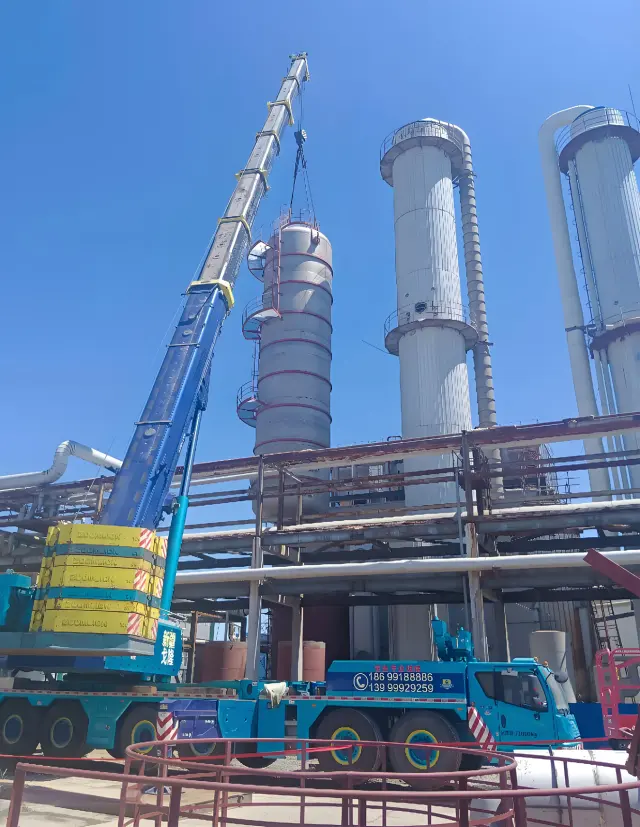
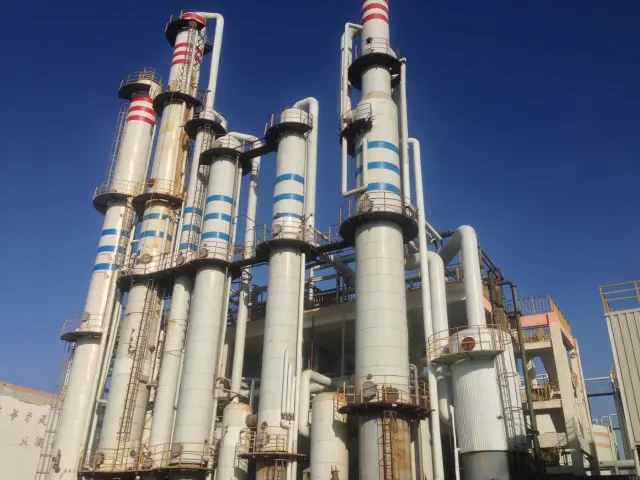
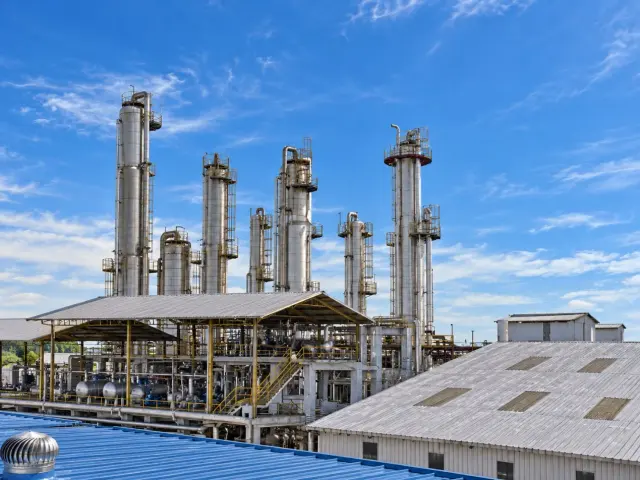
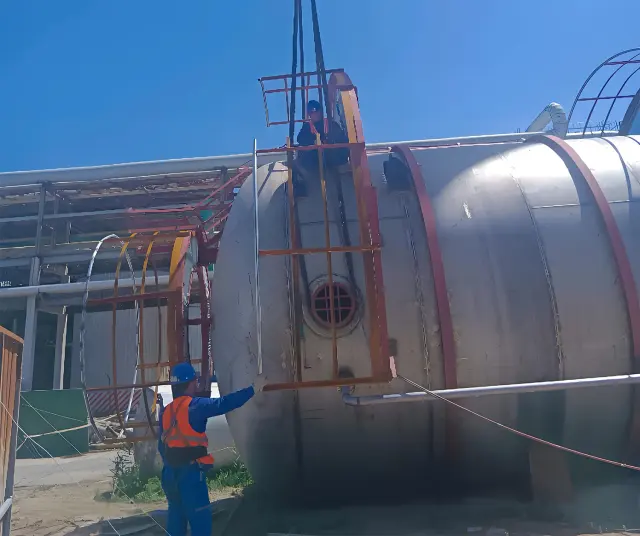
CNE project photography

01 /

Distinguish the symptom from its cause

Noise, fluctuating flow, vibration and seal problems can arise from different conditions. Record when the symptom occurs, the product temperature, suction-vessel level, pump speed, valve positions and discharge pressure. Compare the operating point with the selected pump curve and the manufacturer’s permitted range.

02 /

Check the inlet and the liquid state

Available suction head depends on vessel pressure, static level, liquid vapor pressure and line losses. Hot alcohol service needs particular care because a change in pressure or temperature can promote flashing. Gas entrainment and vapor formation should be distinguished. Confirm the required suction margin with the pump supplier using consistent units and the actual liquid composition. A gas separator does not, by itself, prove that adequate suction conditions exist.

03 /

Assess mechanical and piping conditions

Check alignment, foundations, supports and piping loads using the equipment manufacturer’s procedures. Compare vibration observations with actual duty and operating changes. Additional supports may alter pipe stress or transmit loads to the pump; they should be reviewed as part of the installed system. Inspection or modification requires the site’s isolation and work-control procedures.

04 /

Verify improvements under actual operating conditions

Record the operating conditions before and after any approved adjustment. Compare flow, pressure, temperature and vibration using the same measurement method. Keep the observations and the verified results in the maintenance record so future decisions build on reliable information.

05 /

Specify a useful support request

Provide the pump tag and data sheet, operating measurements, a piping sketch, liquid properties, maintenance history and the timing of the symptom. The response should identify the evidence still needed, the proposed engineering change and the acceptance check after the work. Keep the original observation and the verified outcome separately in the maintenance record.

Further technical reading

Updated · 2026-10-11

Your next plant starts with the right conversation.

Share your feedstock, target product and capacity. Let’s shape a practical process concept.

Discuss your project ↗
滚动至顶部