
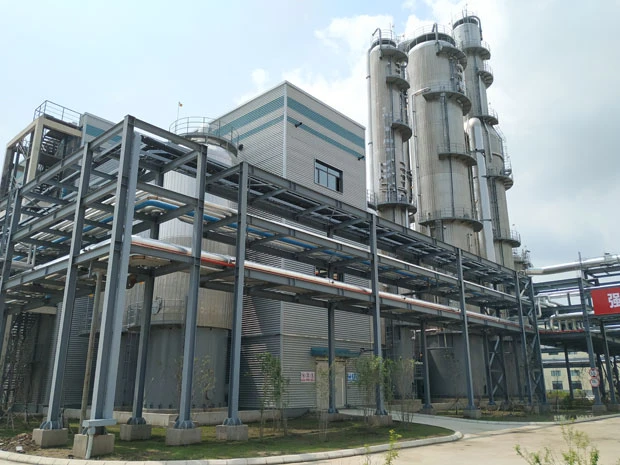
Fuel ethanol plants
Integrated ethanol production systems for fuel markets, with fermentation, heat-integrated distillation and molecular-sieve dehydration engineered as a coordinated process.
Explore ↗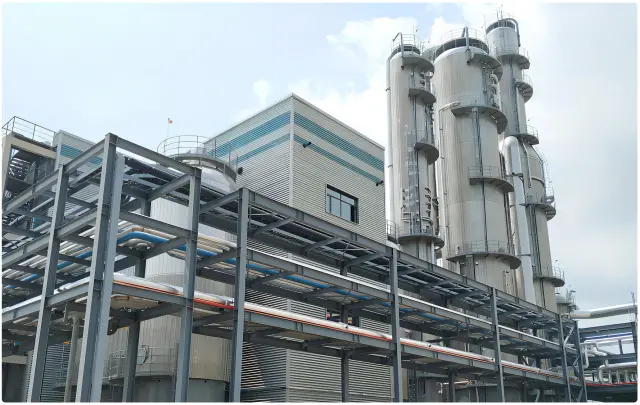
Integrated ethanol production systems for fuel markets, with fermentation, heat-integrated distillation and molecular-sieve dehydration engineered as a coordinated process.
Explore ↗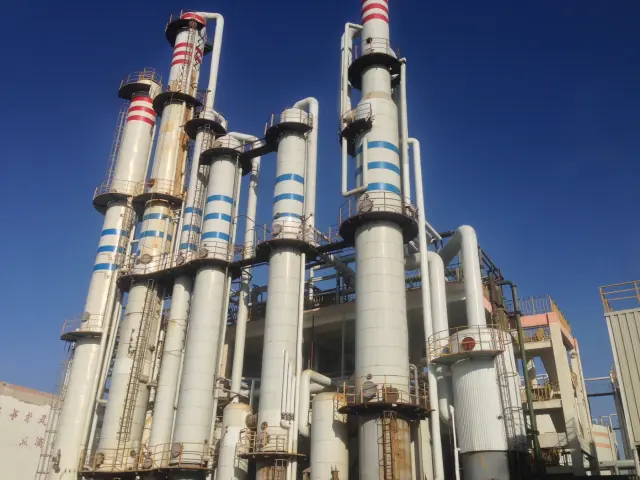
CNE’s reference register contains repeated upgrades to distillation, dehydration, liquefaction and evaporation systems. Start with the bottleneck and define a measurable improvement.
Explore ↗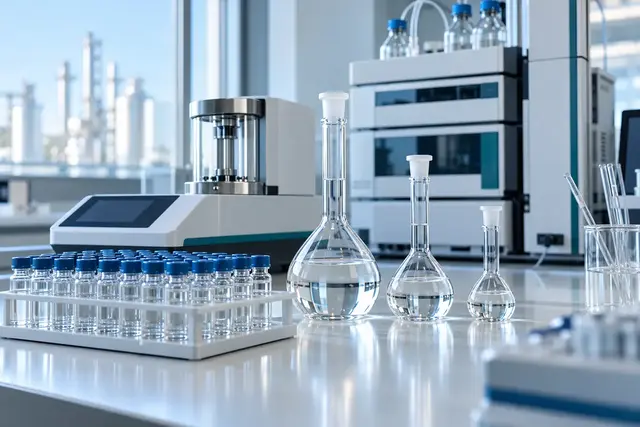
An alcohol specification combines concentration, impurity limits and agreed test methods. Our laboratory approach covers both process checks and finished-product analysis.
Explore ↗